Winter window condensation is a sign the air inside is too humid for how cold the glass is. How to lower indoor humidity, vent moisture outside, warm the glass, and dry wet frames before mold starts.
Absorbent cloths or towels for wiping glass and sills
Working exhaust fans in the bathroom and kitchen
Weatherstripping and caulk for drafty windows and doors
Optional: storm windows or a window insulation film kit
Step by step
01
Step 1 of 7
Understand Why It Forms
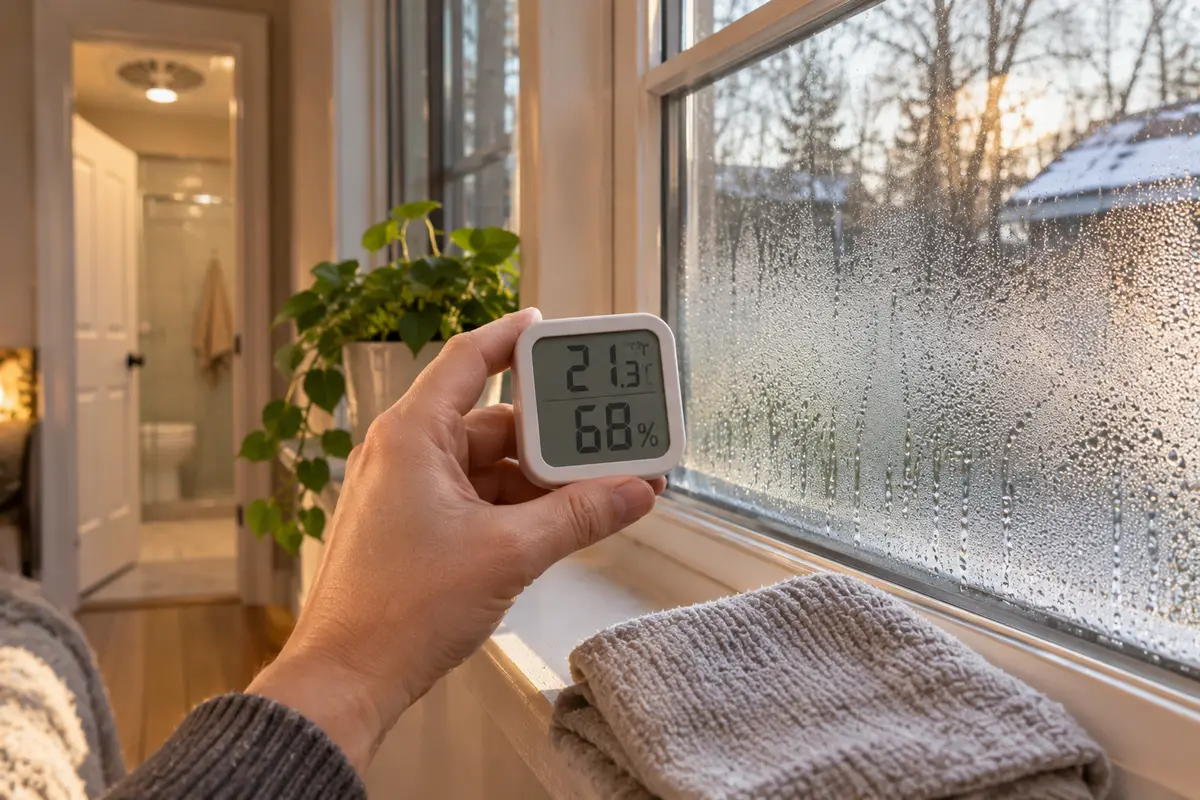
When moist indoor air touches a surface colder than itself, some of that moisture condenses into water, the same way an iced drink sweats. Window glass is usually the coldest surface in a heated room, so it fogs first. The EPA says that if moisture collects on windows and other cold surfaces, your indoor humidity is set too high.
02
Step 2 of 7
Measure Indoor Humidity
Place a humidity meter in the rooms where the windows fog. EPA lists recommended maximum indoor relative humidity by outdoor temperature: about 35% at 20°F, 30% at 10°F, 25% at 0°F, 20% at minus 10°F and 15% at minus 20°F. University of Minnesota Extension notes that moisture problems can begin when indoor humidity is above 50%.
03
Step 3 of 7
Cut Moisture at the Source
Turn the humidistat down or switch off humidifiers until windows stay dry. Reduce sources of evaporation such as long hot showers, uncovered pots and drying laundry indoors. DOE notes that a typical family adds about three gallons of water a day to indoor air just from breathing and perspiring.
04
Step 4 of 7
Run Exhaust Fans That Vent Outdoors
Use the bathroom fan during and after showers and the range hood or kitchen fan while cooking. Both should duct directly outside, not into the attic. Confirm the clothes dryer is vented outdoors and that its outside vent is not closed off or clogged.
05
Step 5 of 7
Let Warm Air Reach the Glass
If condensation forms behind drapes, NDSU Extension suggests leaving them open at night so warmer room air reaches the glass, while noting this costs some heat. In winter, University of Minnesota Extension also suggests briefly opening windows a little to let warm, moist air escape.
06
Step 6 of 7
Warm the Glass and Stop Drafts
The EPA says storm windows and caulking around windows keep the interior glass warmer and reduce condensation, and that a storm window installed on the inside works better than one on the outside. NDSU Extension adds that covering windows with plastic warms the glass, and recommends replacing worn weatherstripping.
07
Step 7 of 7
Dry Wet Glass, Sills and Frames
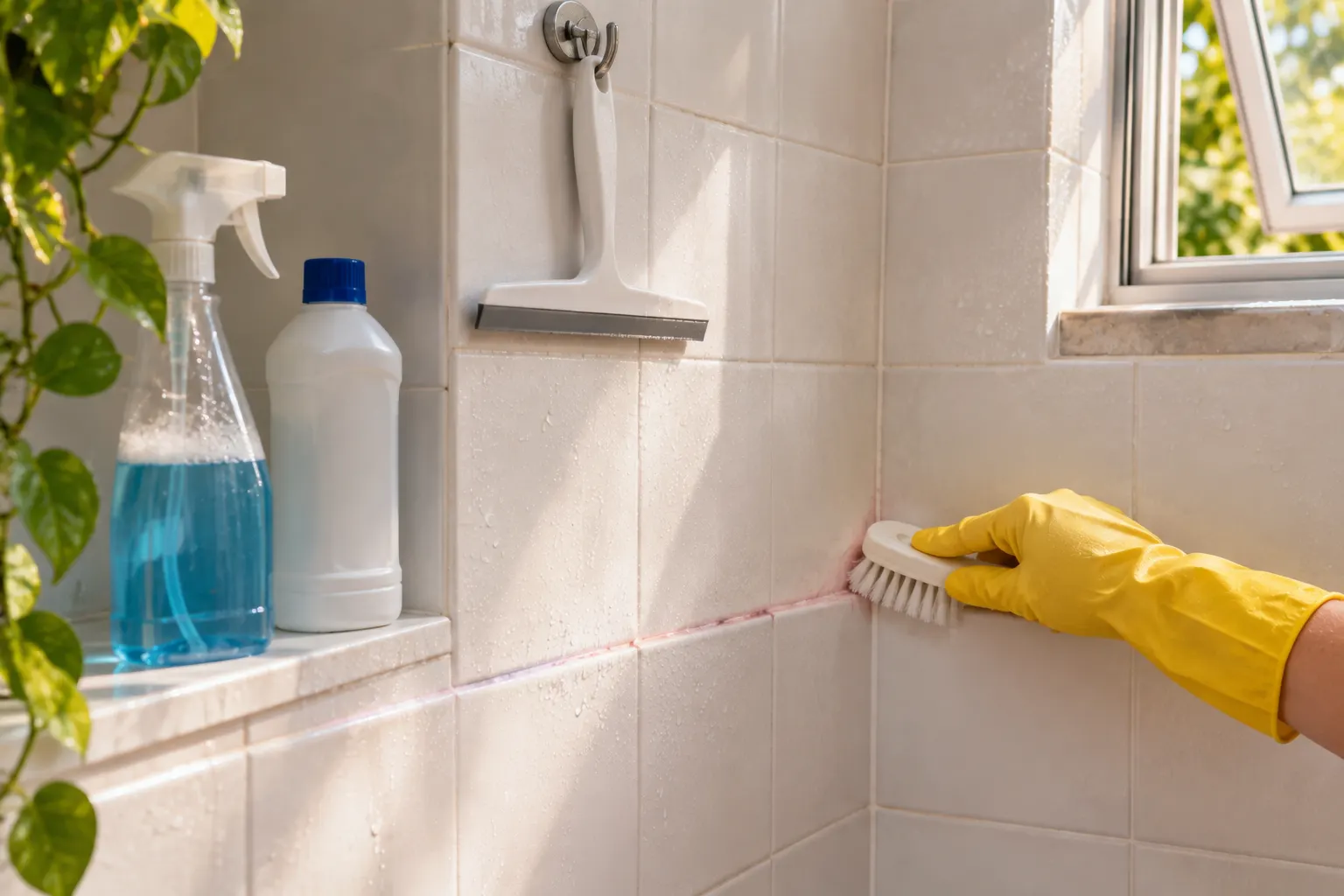
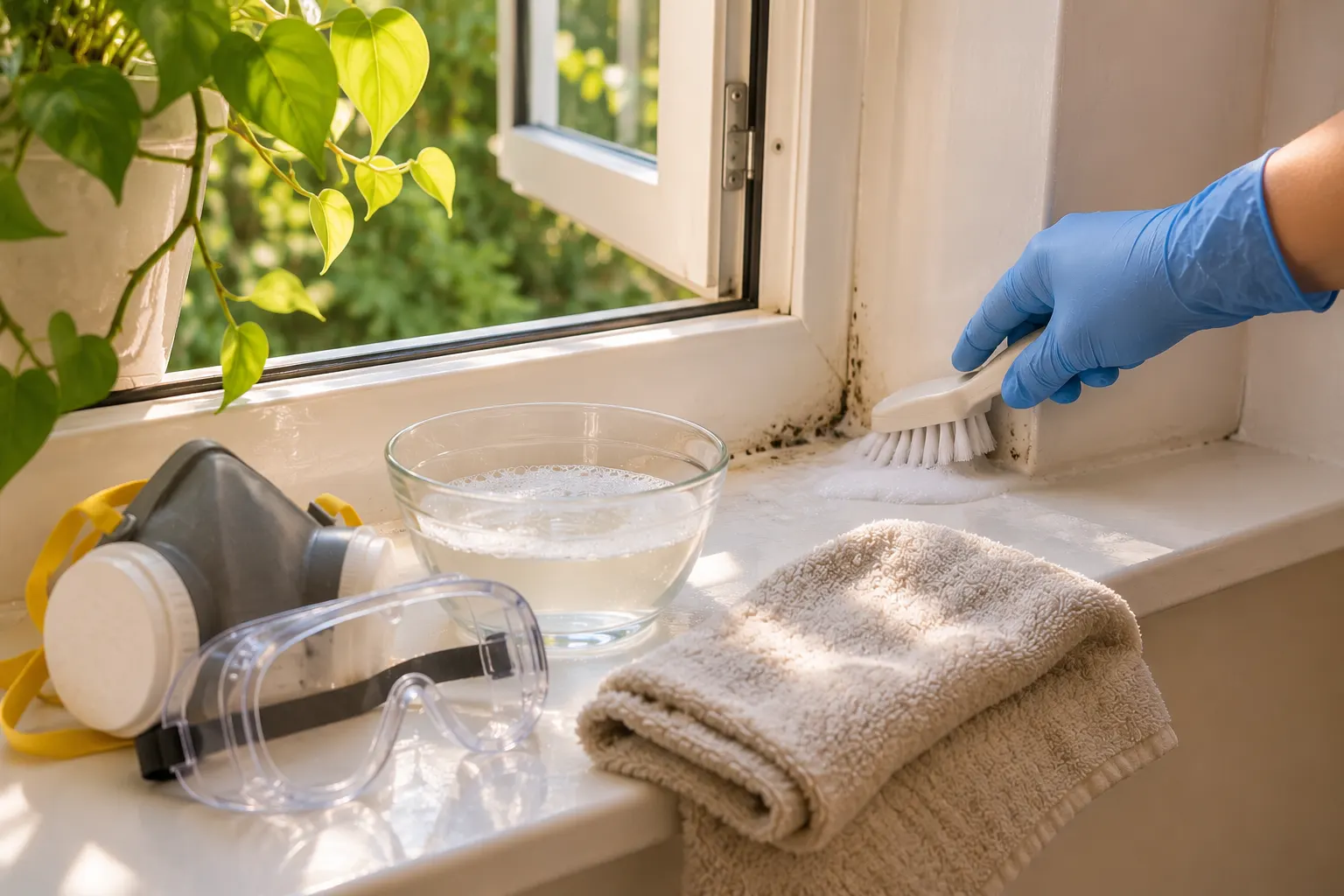
Wipe off water that has collected on the glass, sills and frames, and dry any wet wall or trim. The EPA treats condensation on windows and walls as a sign to dry the surface quickly and reduce the moisture source, and recommends drying water-damaged areas within 24 to 48 hours to prevent mold.
If that didn’t work
Stubborn or set-in? Try these next, in order.
AIf windows still fog with humidity in the recommended range, look for air leaks around the frame. DOE notes moisture problems often come from warm, moist air leaking onto cold surfaces, and insulation alone cannot prevent them.
BIf the house stays humid even with fans running, consider mechanical ventilation. University of Minnesota Extension suggests bringing in dry outdoor air or a whole-house ventilation system, and NDSU Extension mentions air-to-air exchangers that recover much of the heat.
CDo not count on a dehumidifier in winter. NDSU Extension notes dehumidifiers are generally ineffective when humidity is already below 50%, which is common in winter.
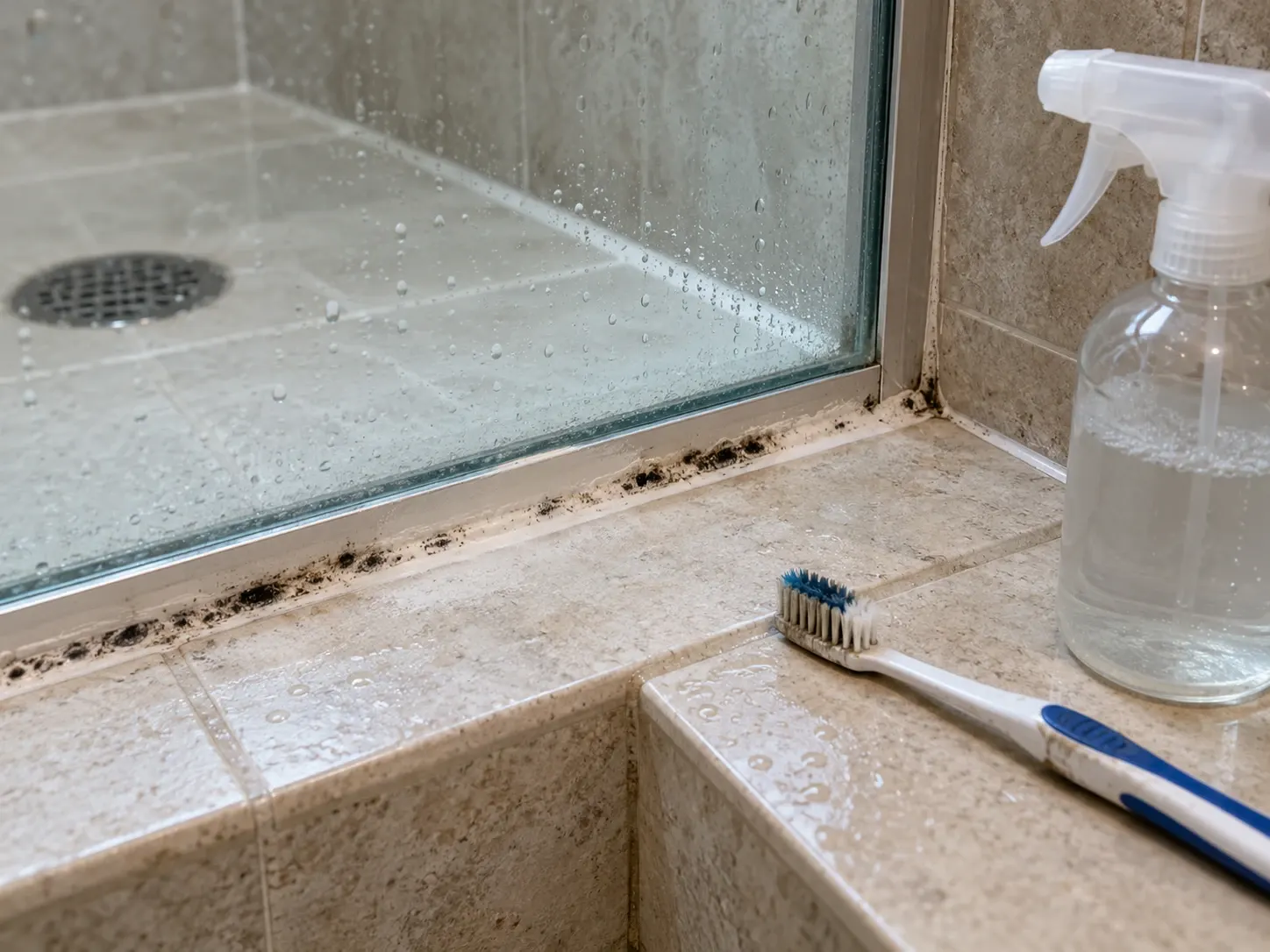
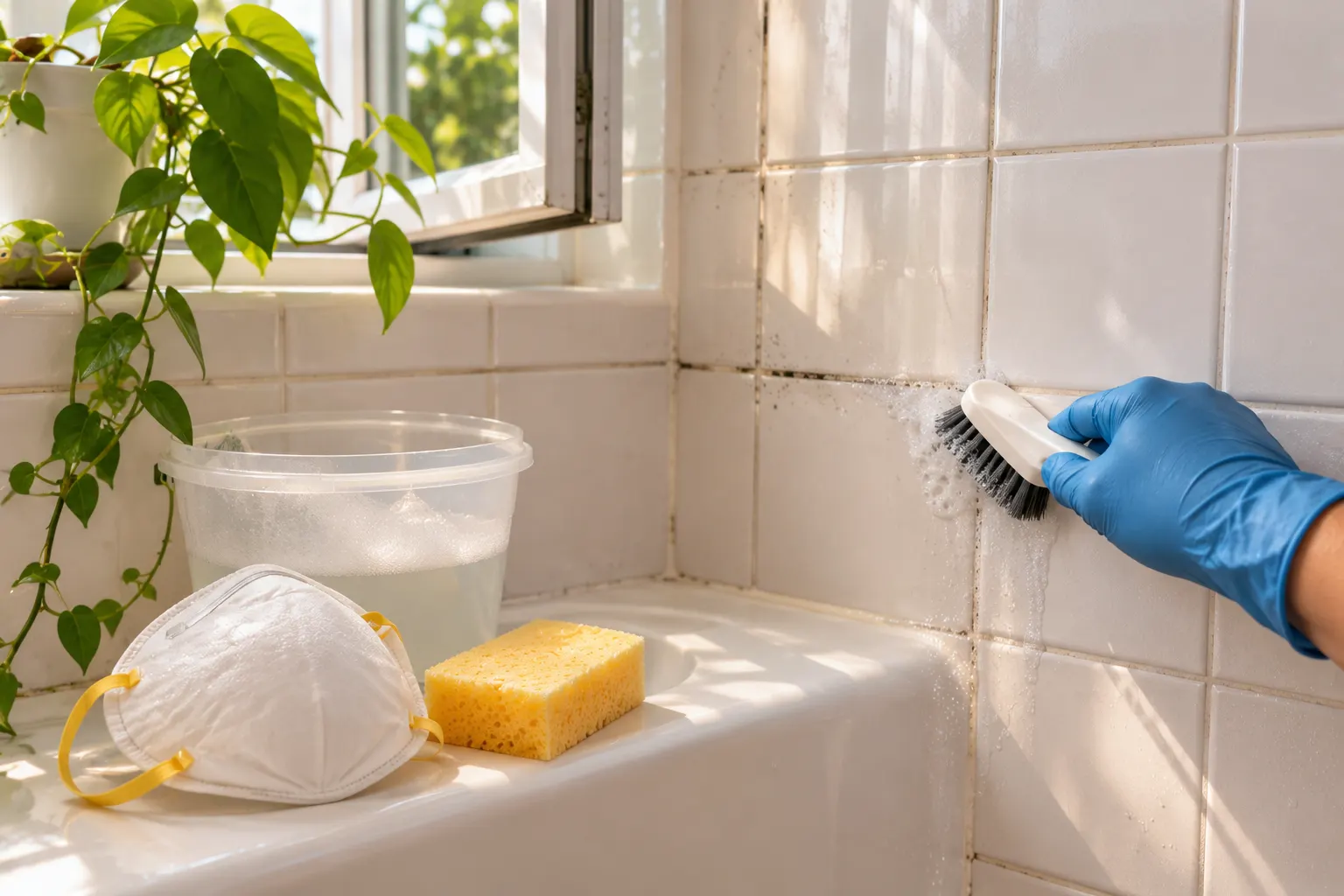
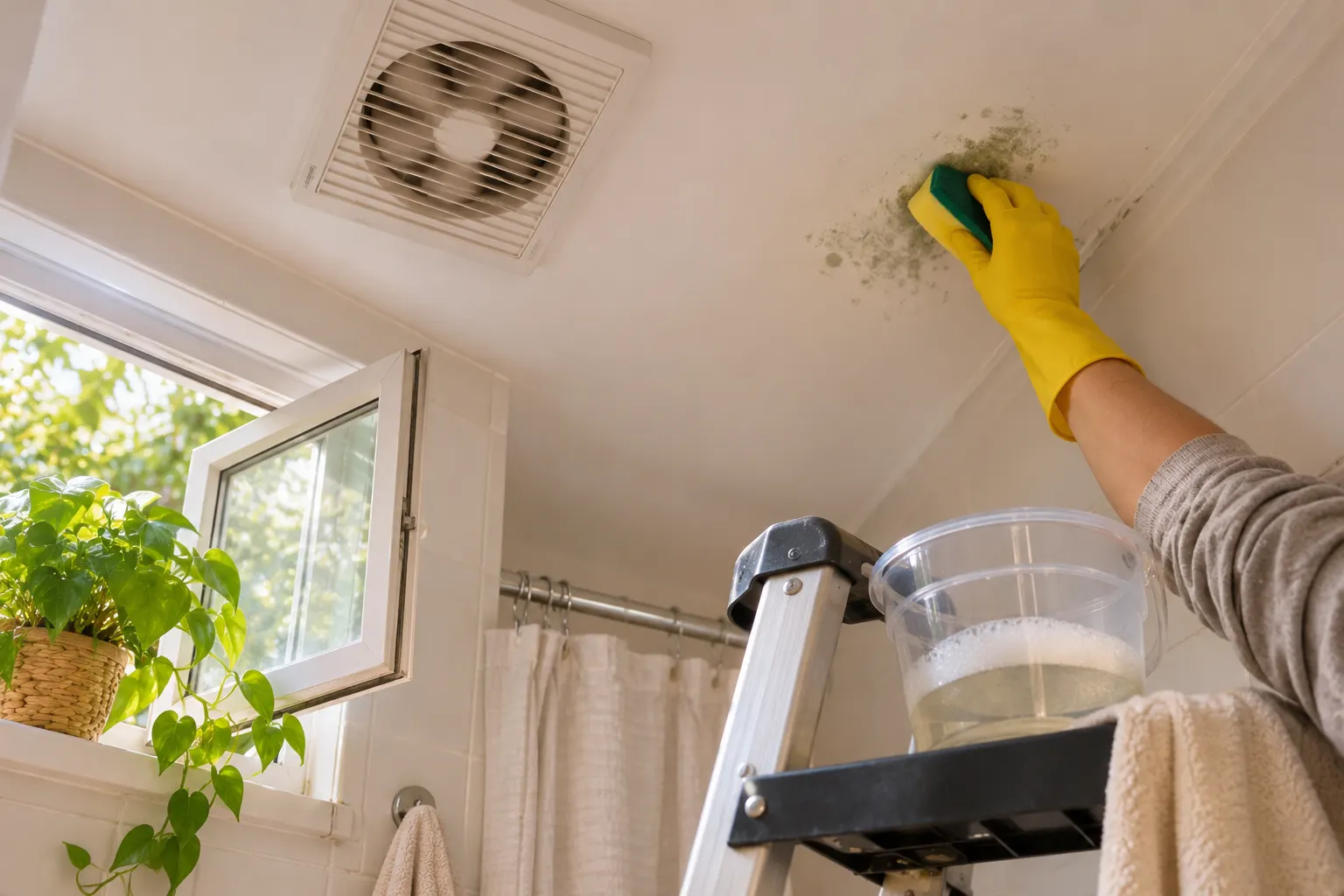
DIf mold is growing on frames or walls, clean it and fix the moisture problem; the key to mold control is moisture control.
Common questions
Is condensation on the inside of windows bad?
Occasional light fog is common, but frequent condensation is a sign of too much indoor moisture. University of Minnesota Extension lists it as the first symptom of a moisture problem, and over time it can damage windows and walls and feed mold growth.
What humidity should my house be in winter to avoid condensation?
It depends on the outdoor temperature: the colder it is, the lower it needs to be. EPA lists about 35% at 20°F outdoors, 30% at 10°F and 25% at 0°F. NDSU Extension suggests aiming for around 40% in milder winter weather and notes double-pane windows typically begin to fog below 0°F at that level.
Why do my windows sweat in winter?
Warm indoor air cools when it touches cold glass, and cooler air holds less water vapor, so the extra moisture condenses on the window. Moisture from breathing, showering, cooking and humidifiers adds to it.
Do storm windows stop condensation?
They help. The EPA says storm windows and caulking keep the interior glass warmer and reduce condensation, and that an interior storm window works better than an exterior one.
Will a dehumidifier stop window condensation in winter?
Often not. NDSU Extension notes dehumidifiers are generally ineffective when indoor humidity is already below 50%, which is common in winter. Lowering moisture sources and using outside-vented exhaust fans usually works better.
Sources we relied on
1.What are the main ways to control moisture in your home? — U.S. Environmental Protection Agency. Lists recommended indoor relative humidity by outdoor temperature (35% at 20°F, 30% at 10°F, 25% at 0°F, 20% at -10°F, 15% at -20°F); moisture condenses on cold window glass; the humidistat is too high if moisture collects on windows; storm windows and caulking keep interior glass warmer, and interior storm windows work better; use exhaust fans vented outside, not into the attic; vent the dryer outside; use a humidity indicator.
2.A Brief Guide to Mold, Moisture and Your Home — U.S. Environmental Protection Agency. Keep indoor humidity below 60%, ideally 30% to 50%; condensation on windows, walls or pipes is a sign to dry the surface quickly and reduce the moisture source; measure humidity with a meter; use exhaust fans or open windows when cooking; dry water-damaged areas within 24 to 48 hours; the key to mold control is moisture control.
3.Consumer Guide to Home Ventilation — U.S. Department of Energy, Energy Saver. Moist air condenses on colder surfaces; moisture problems often relate to warm moist air leaking onto cold surfaces and insulation alone cannot prevent them; a typical family adds about three gallons of water per day to indoor air; an unvented or clogged dryer vent puts all its moisture into the living space; kitchen and bath vents should lead outside and never into the attic.
4.Controlling moisture problems in your home — University of Minnesota Extension. Condensation on windows in winter is a symptom of moisture problems; problems may occur above 50% relative humidity; low winter humidity prevents condensation and mold; reduce evaporation sources, use bath and kitchen exhaust fans, bring in dry outdoor air or whole-house ventilation, and in winter temporarily open windows a little to let moist air out.
5.Window Condensation Common Problem — North Dakota State University Extension. Aim for about 40% relative humidity in winter; double-pane windows begin to show condensation below 0°F at 40% indoor humidity; leave drapes open at night if condensation forms behind them, at some energy cost; run outside-vented bath and kitchen fans, not into the attic; replace worn weatherstripping; dehumidifiers are generally ineffective below 50% humidity; air-to-air exchangers recover much of the heat; condensation can damage windows and walls and breed mold.
6.Eliminate Condensation on Windows — North Dakota State University Extension. Keep winter humidity under 40% and turn off humidifiers; covering windows with plastic warms the glass; use outside-vented exhaust fans when cooking and bathing; humidity below 30% can dry skin and irritate nasal passages.