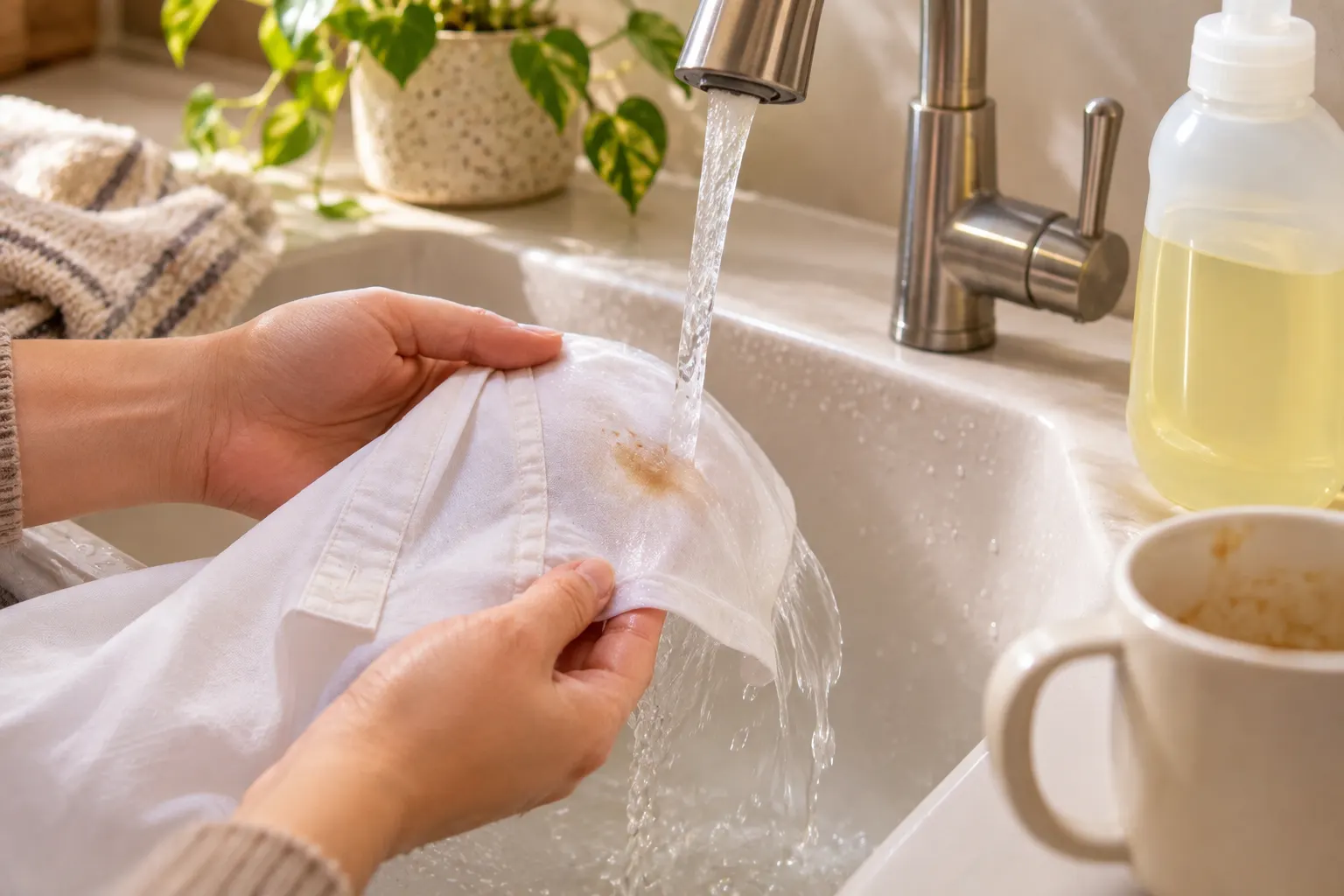
How to remove yellow armpit stains from white shirts
Dish soap, an oxygen-bleach soak and a hot wash, with no heat until the yellow is gone. Why chlorine bleach can backfire, what changes for synthetics, silk and wool, and how to get white deodorant marks off dark clothes.
Oxygen bleach powder (sodium percarbonate or sodium perborate)
Sink, bucket or basin of warm water
3 percent hydrogen peroxide
Soft brush or old toothbrush
White vinegar or household ammonia (only for color change on dyed fabrics)
Heavy-duty laundry detergent
Step by step
01
Step 1 of 6
Know What You Are Removing and Check the Label
Yellow underarm marks are a buildup of sweat residue and antiperspirant. Most antiperspirants use aluminum salts such as aluminum chloride, which are acidic and can discolor fabric and dyes. Read the care label for the maximum water temperature and the bleach symbol: "only non-chlorine bleach" rules out chlorine, and "do not bleach" means skip steps 3 and 4 and go straight to detergent and a long soak. Dry-clean-only shirts should go to a cleaner.
02
Step 2 of 6
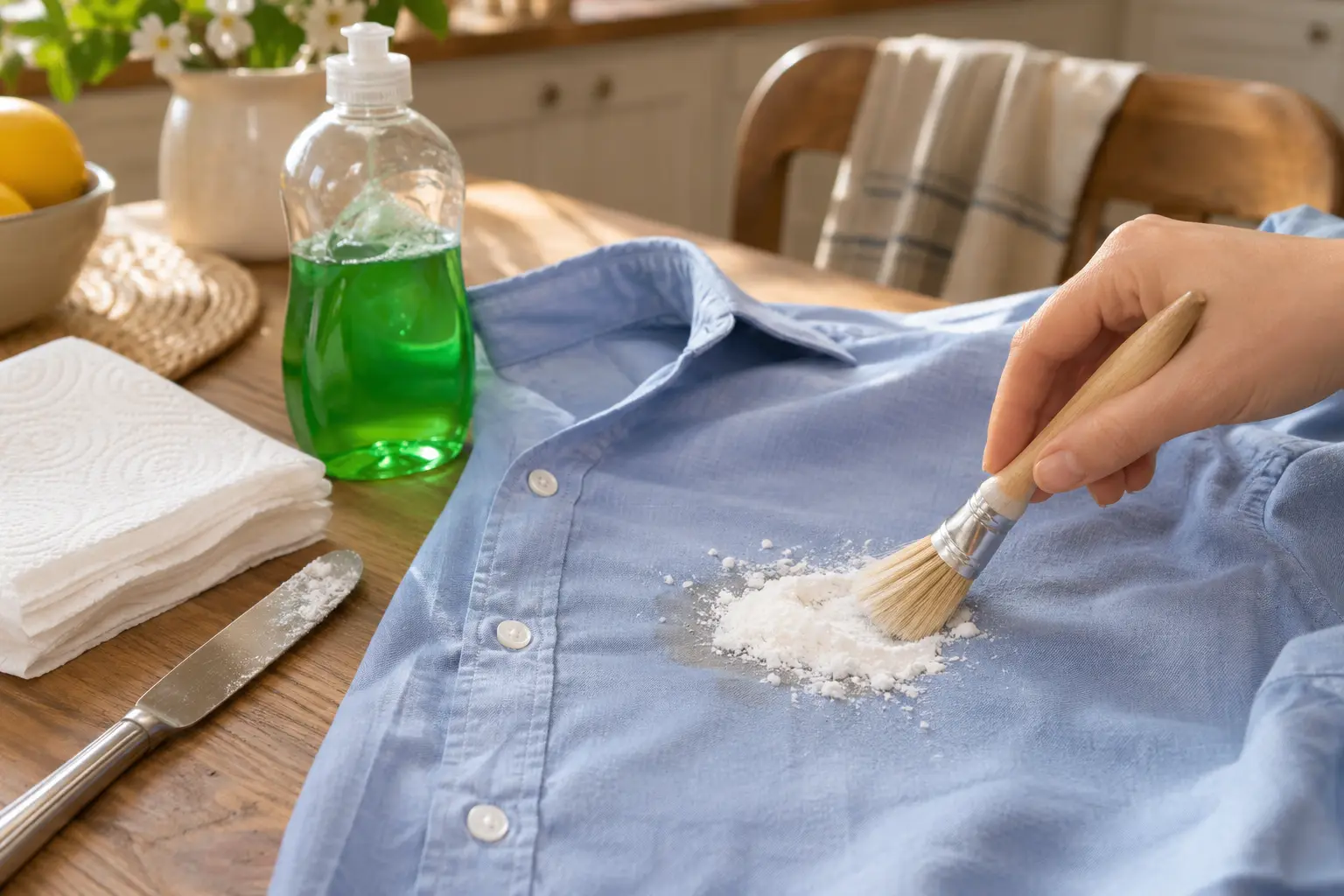
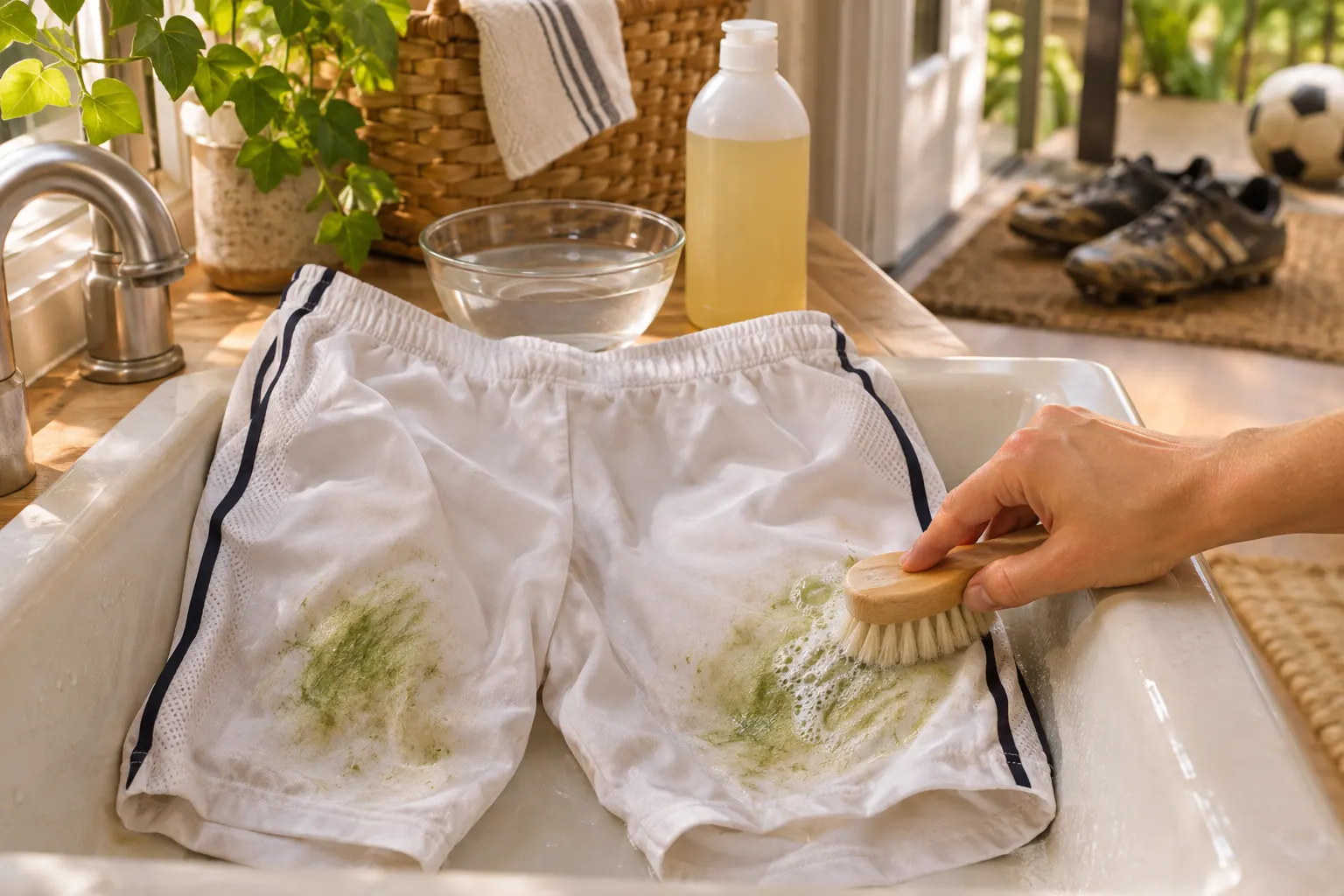
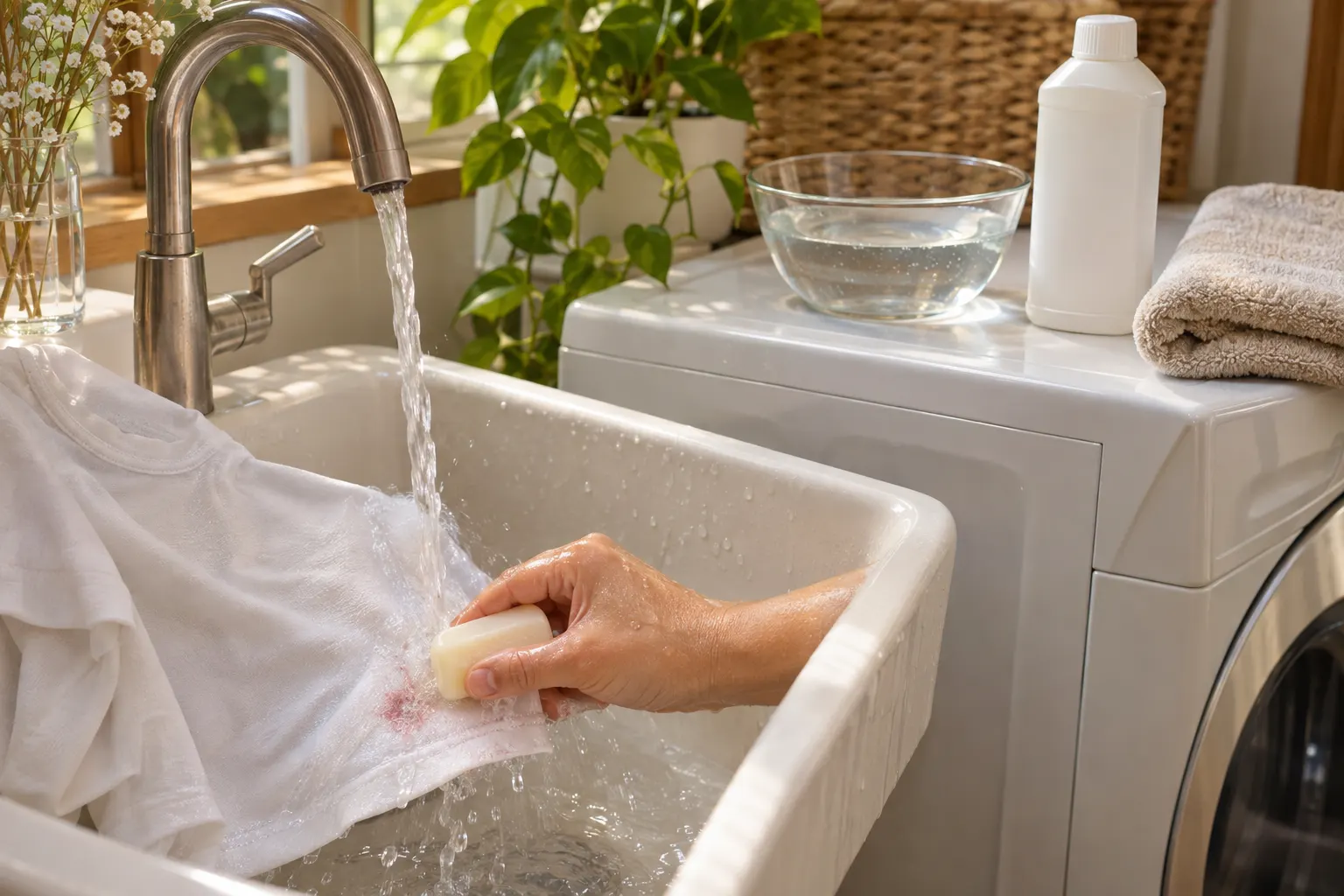
Rub Dish Soap Into the Stain
Wet the underarm area, then work 1 to 2 teaspoons of undiluted liquid dish soap into the stain from both sides of the fabric with your fingers or a soft brush. Let it sit about 10 minutes. On a fresh, light stain, a normal wash after this step may be enough.
03
Step 3 of 6
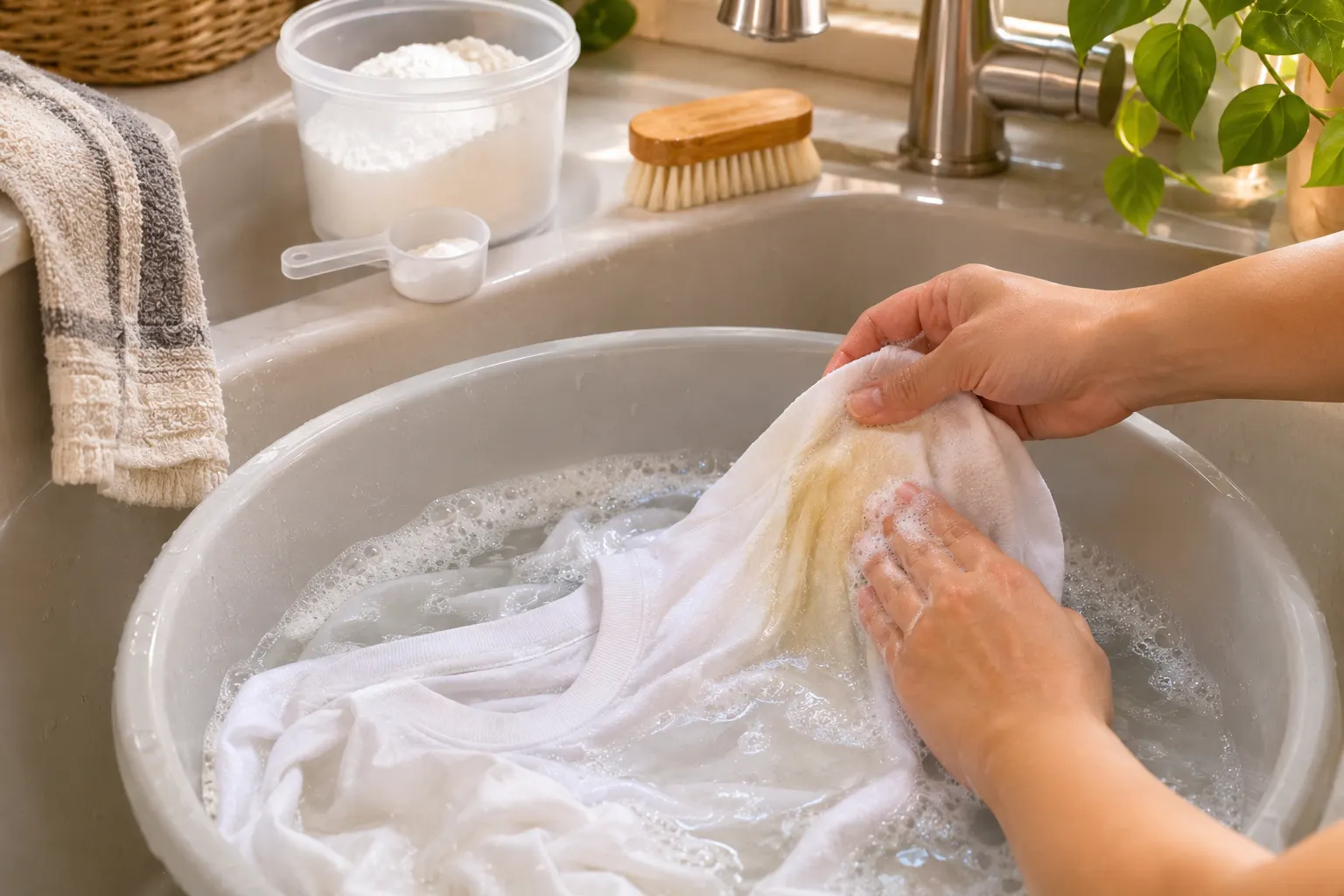
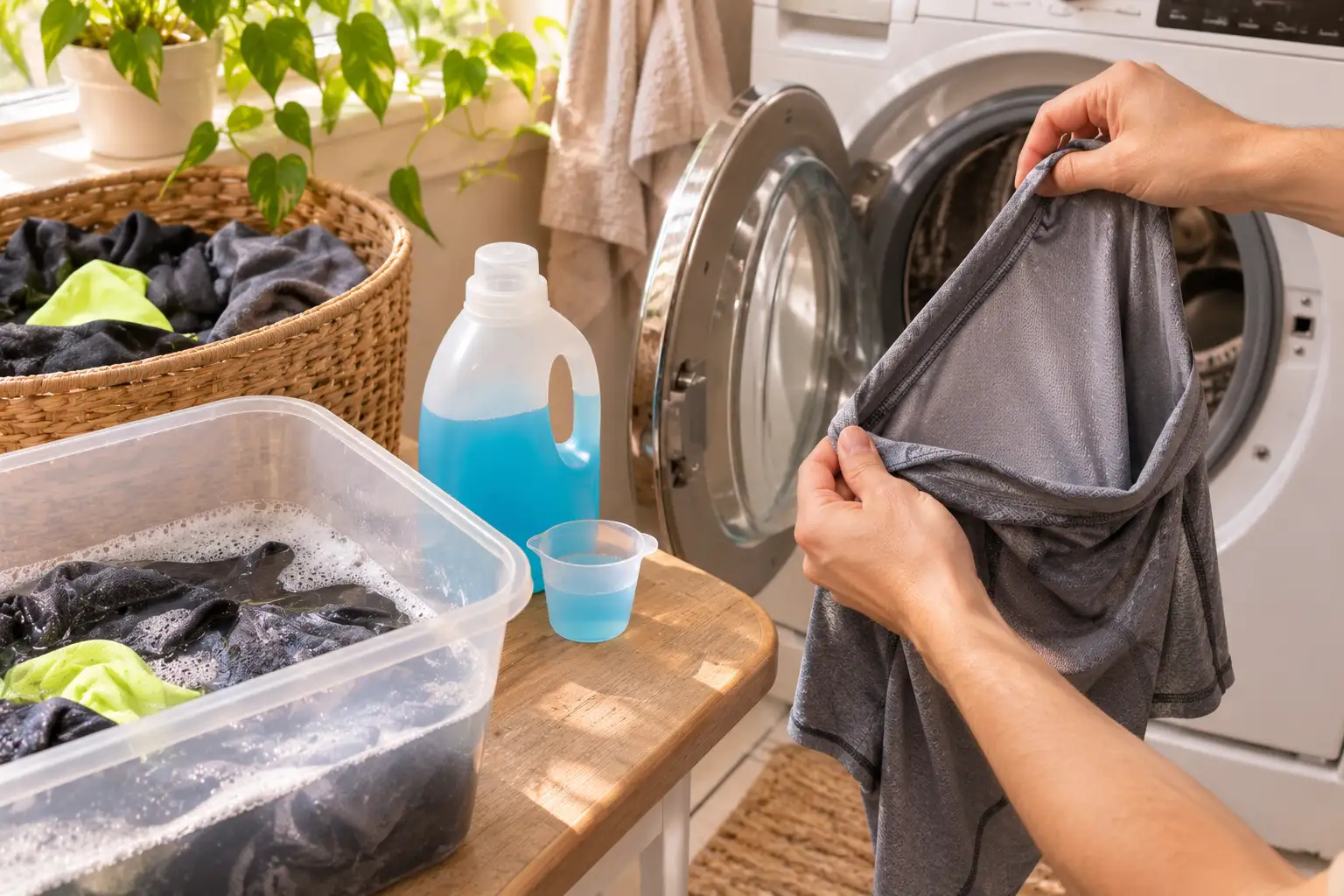
Soak in Warm Water With Oxygen Bleach
Dissolve oxygen bleach in warm water at the dose on the package, then submerge the shirt. Soak at least 15 to 30 minutes for fresh yellowing; for stains that have built up over months, soak several hours or overnight if the package allows. Oxygen bleach works best in warm to hot water.
04
Step 4 of 6
Spot-Treat Stubborn Yellow With Hydrogen Peroxide
If yellow is still visible, apply 3 percent hydrogen peroxide directly to the stain on white cotton, linen or polyester and leave it 15 to 20 minutes, keeping it moist. Rinse, then move straight to washing. Test first on anything that is not pure white, since peroxide can lighten dyes.
05
Step 5 of 6
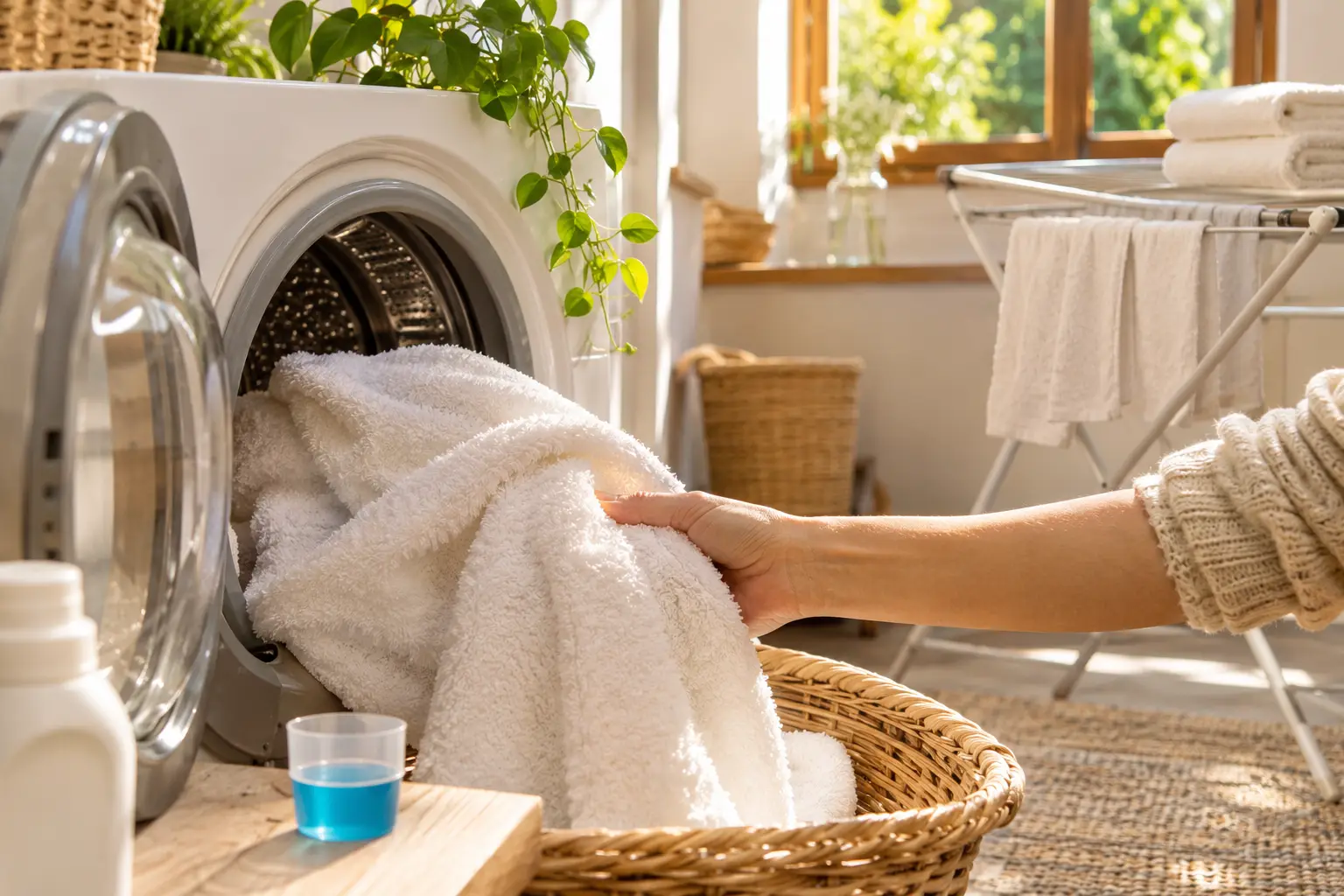
Wash Hot and Skip the Chlorine
Launder in the hottest water the care label allows with a heavy-duty detergent, adding oxygen bleach to the wash. Do not reach for chlorine bleach: some nylon and resin-treated fabrics (many wrinkle-resistant and easy-care shirts use resin finishes) absorb chlorine and turn permanently yellow, which can leave the armpits looking worse.
06
Step 6 of 6
Air-Dry and Inspect
Hang the shirt to dry and check the underarms in good light once it is dry. If any yellow remains, repeat steps 2 to 5 before the shirt goes in the dryer or under an iron. Older, heavily built-up stains often take two or three cycles.
If that didn’t work
Stubborn or set-in? Try these next, in order.
AIf the fabric has changed color rather than stained (common on dyed shirts), the acidic antiperspirant may have altered the dye. Try a few drops of ammonia on a new discoloration or a few drops of white vinegar on an old one, rinse and wash; on silk or wool dilute ammonia with an equal part water.
BIf the underarms are stiff or waxy with built-up antiperspirant, sponge the area with a commercial stain remover, rub in dish soap again, rinse and repeat before the oxygen-bleach soak.
CIf odor lingers after the yellow is gone, soak the shirt overnight in warm water with 3 to 4 tablespoons of salt per quart, then rewash.
White deodorant marks on dark clothes
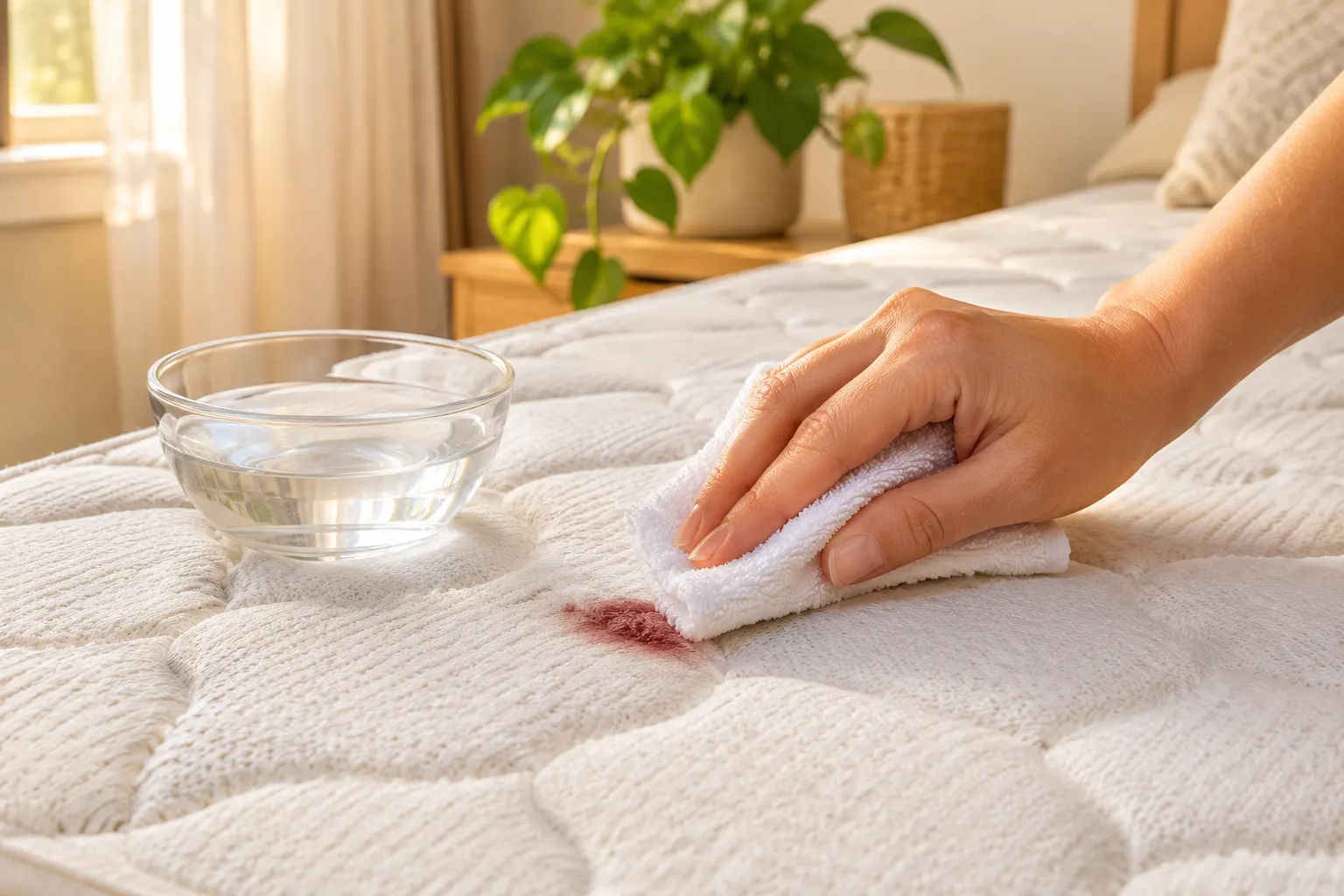
Chalky white streaks on a black or navy top are antiperspirant residue sitting on the fabric, not yellowing, so they need a gentler fix. A fresh mark from a deodorant stick usually rubs off dry: Persil suggests a nylon stocking, a dry towel or a clean sock. For residue that has built up over several wears, Tide says to brush off the excess, rinse the area under cold running water, work in liquid detergent (University of Georgia Extension uses undiluted hand dishwashing liquid) and let it sit about 5 minutes without rinsing, then wash at the hottest temperature the care label permits. Check the spot before drying and repeat if needed, since Tide warns that drying sets deodorant stains.
For older, stubborn marks on white or colored clothes, Persil suggests soaking the stained area in white vinegar for about an hour, brushing gently and then washing; test it on a hidden seam first, especially on dark fabric. If you cannot wash the garment right away, Tide scrubs in a paste of 3 parts baking soda to 1 part water with a soft toothbrush, leaves it an hour, rinses with cold water and air-dries it. To stop the marks, Tide says to let deodorant dry fully before you get dressed and to wash clothes soon after wearing them.
Common questions
What causes yellow armpit stains on white shirts?
They come from sweat residue combined with antiperspirant. Most antiperspirants contain aluminum salts such as aluminum chloride, which are acidic and can discolor fabric. The residue builds up wash after wash, and heat from the dryer or an iron sets it further.
Does chlorine bleach remove yellow sweat stains?
It is a poor choice. Some nylon fabrics and many shirts with resin-based wrinkle-resistant finishes absorb chlorine and turn permanently yellow, so the underarms can end up worse. Oxygen bleach, dish soap and 3 percent hydrogen peroxide are safer options for white shirts.
Will hydrogen peroxide damage my shirt?
Three percent hydrogen peroxide is considered a safe bleach for all textile fibers, but it can lighten dyes. On a pure white shirt, apply it to the stain for 15 to 20 minutes, then rinse and wash. On colored or striped shirts, test an inside seam first.
Can you remove old, set-in yellow armpit stains?
Often yes, with patience. Rub in dish soap, soak several hours or overnight in warm water with oxygen bleach, treat remaining yellow with hydrogen peroxide, and wash hot. Air-dry between attempts and expect to repeat the cycle two or three times.
How do I stop yellow armpit stains from coming back?
Pretreat underarms with dish soap or liquid detergent before every wash, rather than waiting for the yellow to show, and wash sweaty shirts promptly. Avoid ironing or tumble-drying shirts that still have residue, since heat sets it.
How do you get white deodorant marks off black clothes?
For a fresh mark, rub it off dry with a clean sock, nylon stocking or dry towel. If residue has built up, rinse it in cold water, work in liquid detergent or dish soap, let it sit about 5 minutes and wash at the warmest temperature the label allows.
Does vinegar remove deodorant stains?
It can. Soaking the stained area in white vinegar for about an hour, then brushing gently and washing, works on both white and colored clothes according to Persil. Test on a hidden seam first, and never mix vinegar with bleach.
How do I stop deodorant from getting on my clothes?
Apply deodorant before you dress and let it dry fully on your skin before putting on clothes. Washing garments soon after wearing them also keeps residue from building up in the underarm area.
Sources we relied on
1.Remove Stains From Antiperspirant, Deodorant — University of Georgia Cooperative Extension (Textiles). Antiperspirants containing aluminum chloride are acidic and may change dye color (ammonia for new, vinegar for old discoloration); rub undiluted dish soap into the stain and launder, and never iron or apply heat to a deodorant stain.
2.Remove Stains From Perspiration — University of Georgia Cooperative Extension (Textiles). Soak perspiration stains in warm water with sodium perborate bleach for 15 to 30 minutes, launder in the hottest water and bleach safe for the garment, and use 3 percent hydrogen peroxide for 15 to 20 minutes if color allows.
3.Products — University of Georgia Cooperative Extension (Textiles). Some nylon and resin-finished fabrics are permanently yellowed by chlorine bleach, chlorine stops sodium perborate bleach from working, chlorine must never be mixed with ammonia, and 3 percent hydrogen peroxide is safe for all fibers.
4.Clothes Captioning: Complying with the Care Labeling Rule — Federal Trade Commission. A care label must say "only non-chlorine bleach, when needed" if chlorine bleach would harm the item, and "no bleach" or "do not bleach" if any bleach would.
5.How to Remove Deodorant Stains — Tide. Brush off excess deodorant and rinse under cold running water, pretreat and let sit five minutes without rinsing, wash at the hottest temperature the care label permits, and repeat before drying because drying sets the stain; for a no-wash fix, scrub in a 3 to 1 baking soda and water paste, leave an hour, rinse cold and air-dry.
6.How to Remove Deodorant Stains — Tide. Work liquid detergent into the stain with a soft toothbrush or by gently rubbing the fabric together and let it sit 5 minutes; to prevent stains, let deodorant dry fully before dressing and wash clothing right after wearing it.
7.How to Remove Deodorant Stains From Clothes — Persil. Fresh deodorant-stick marks can be rubbed off with nylon stockings, a dry towel or a clean sock; set-in stains on white or colored clothes can be soaked in white vinegar for about an hour, brushed gently and washed; check the care label and test on a hidden area first.