How to get red wine out of carpet, couches and clothes
Blot, rinse with plain water, then a weak dish-soap mist. When 3% hydrogen peroxide is safe for the leftover pink, why wool is different, and what to do when the stain comes back. Plus how to read a couch's W, S, WS or X cleaning code, and how to get wine out of clothes before the dryer sets it.
4 to 6 clean white cloths or white paper towels (microfiber is ideal)
Cool or lukewarm tap water (2 cups)
Clear liquid hand dish soap (a few drops, no more than 1/4 teaspoon)
Spray bottle or mist sprayer
Fresh 3% hydrogen peroxide (synthetic carpet only, after a hidden-spot test)
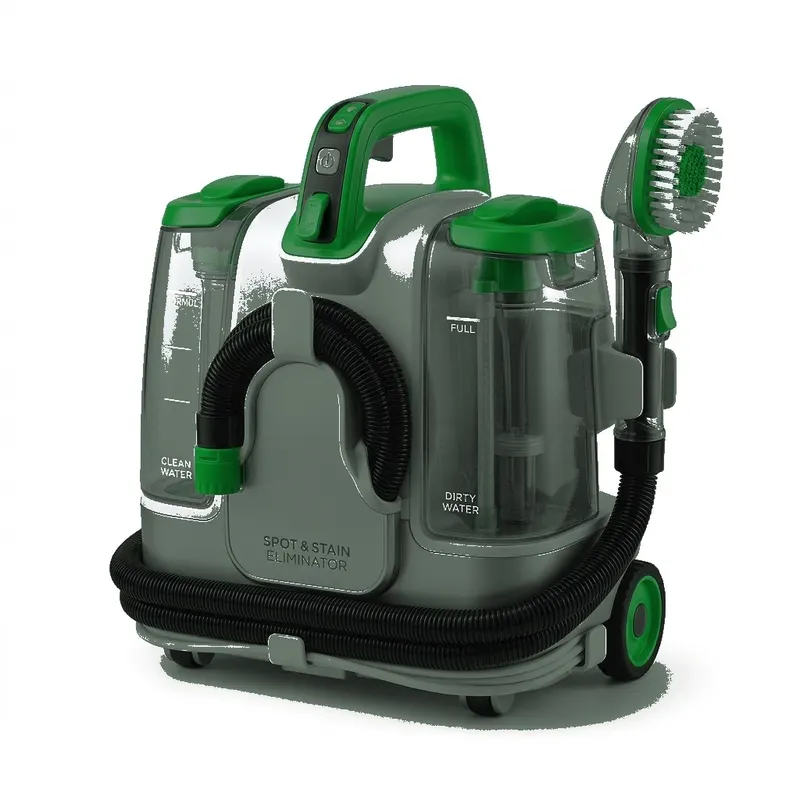
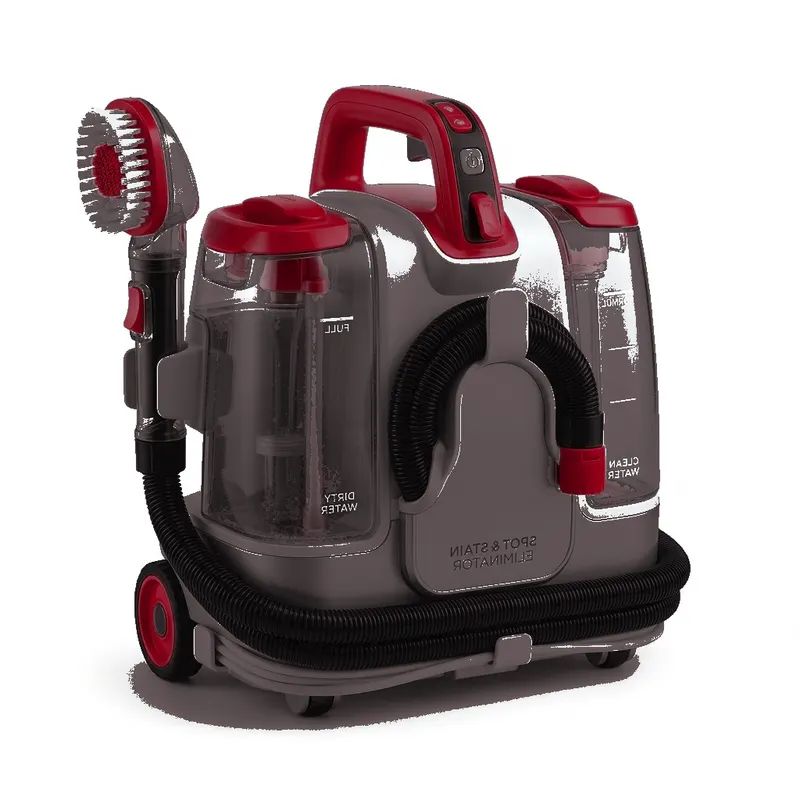
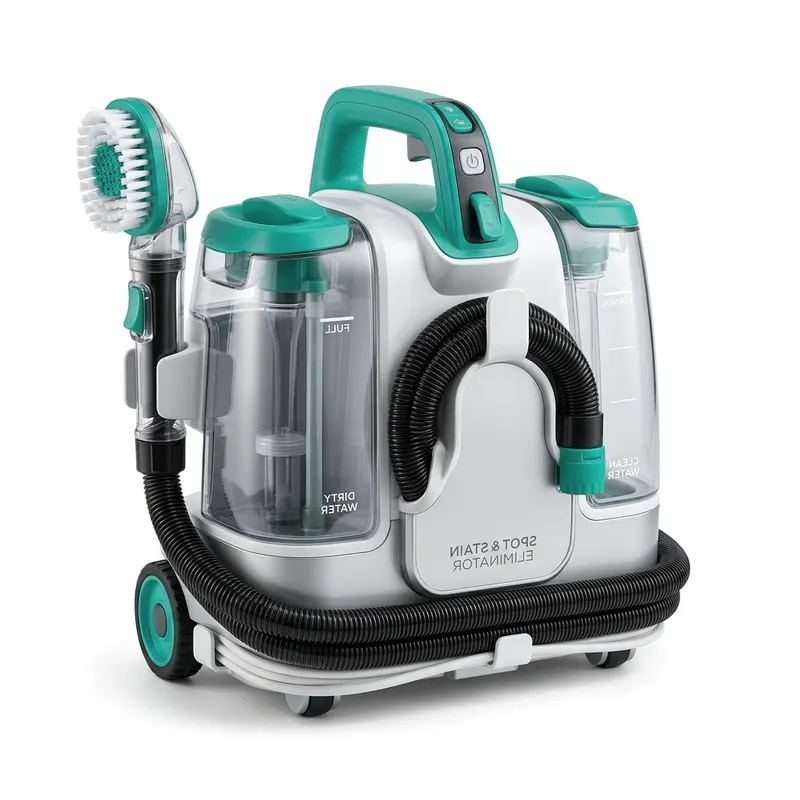
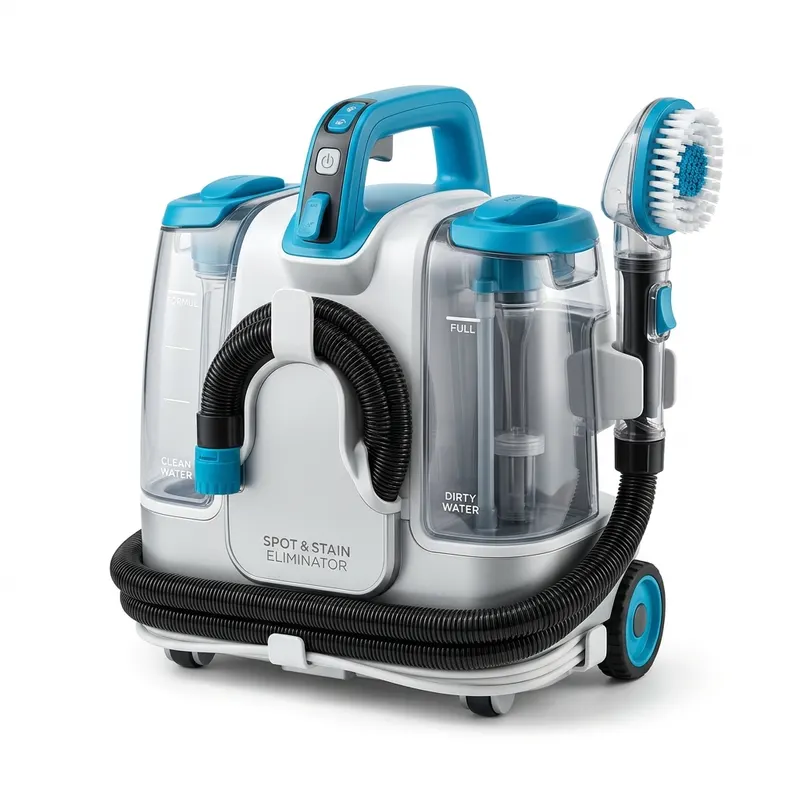
Optional: wet/dry vacuum or portable spot cleaner such as the Bissell Little Green
A few heavy books, a plastic bag and a fan for drying
Step by step
01
Step 1 of 6
Blot up the wine immediately
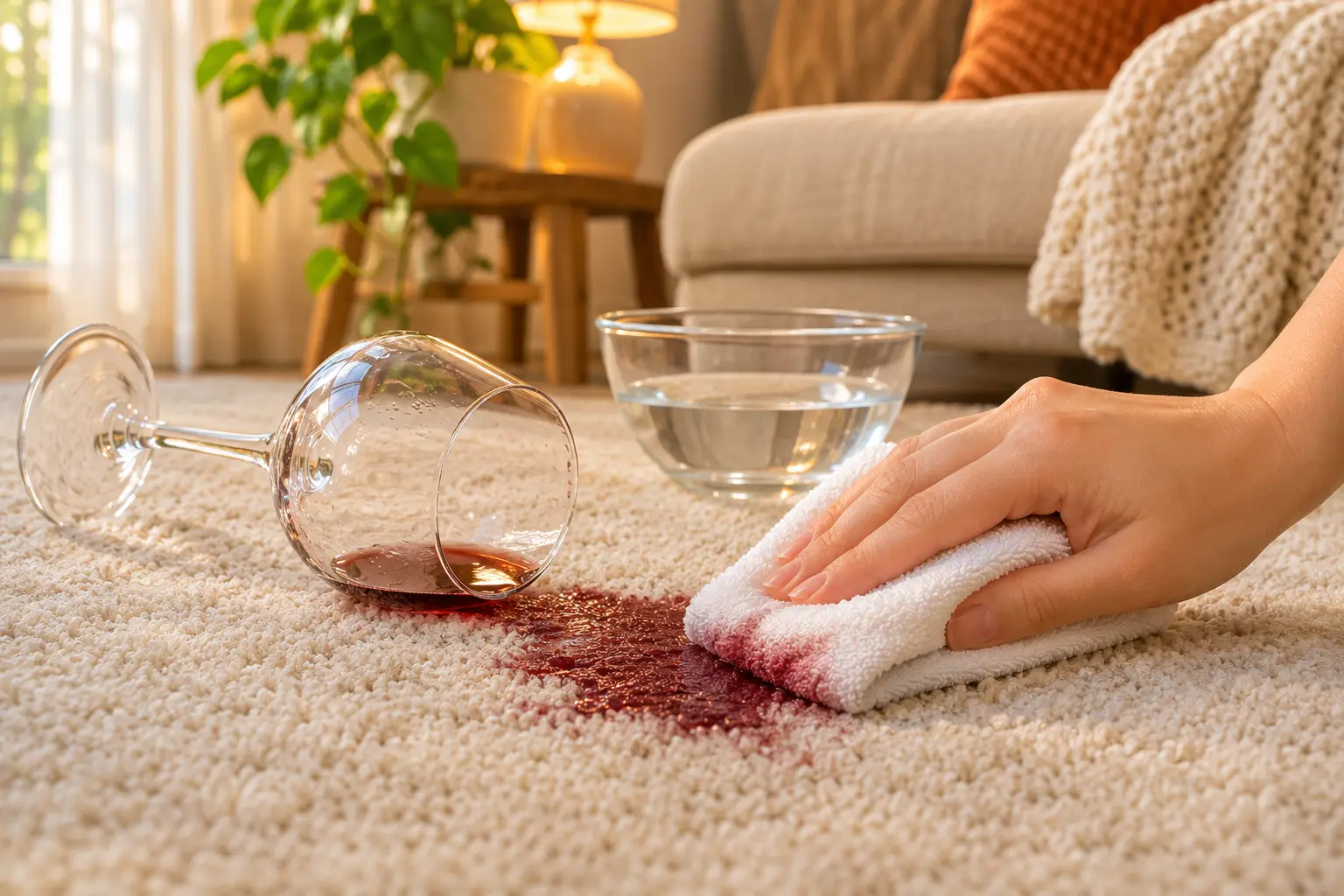
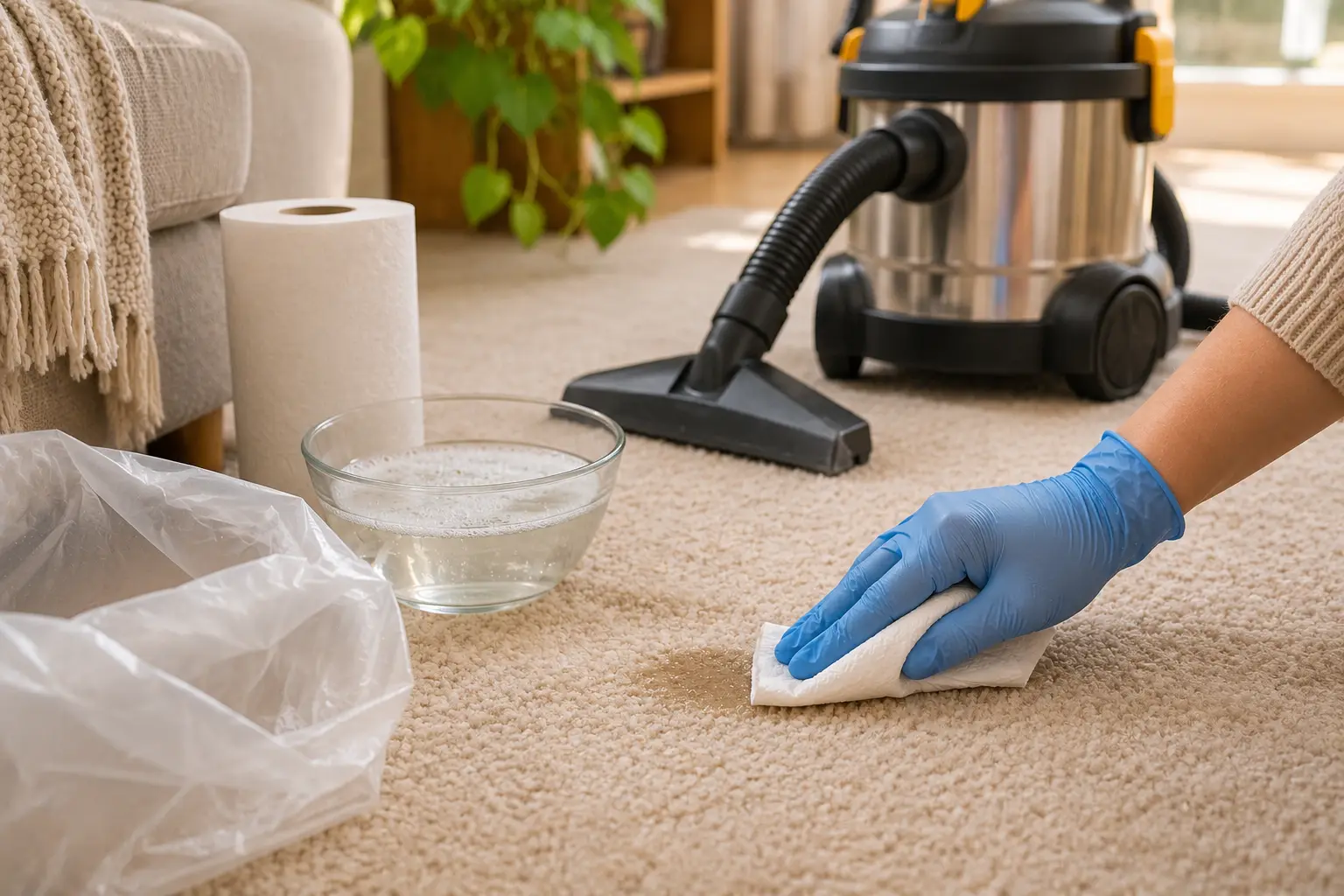
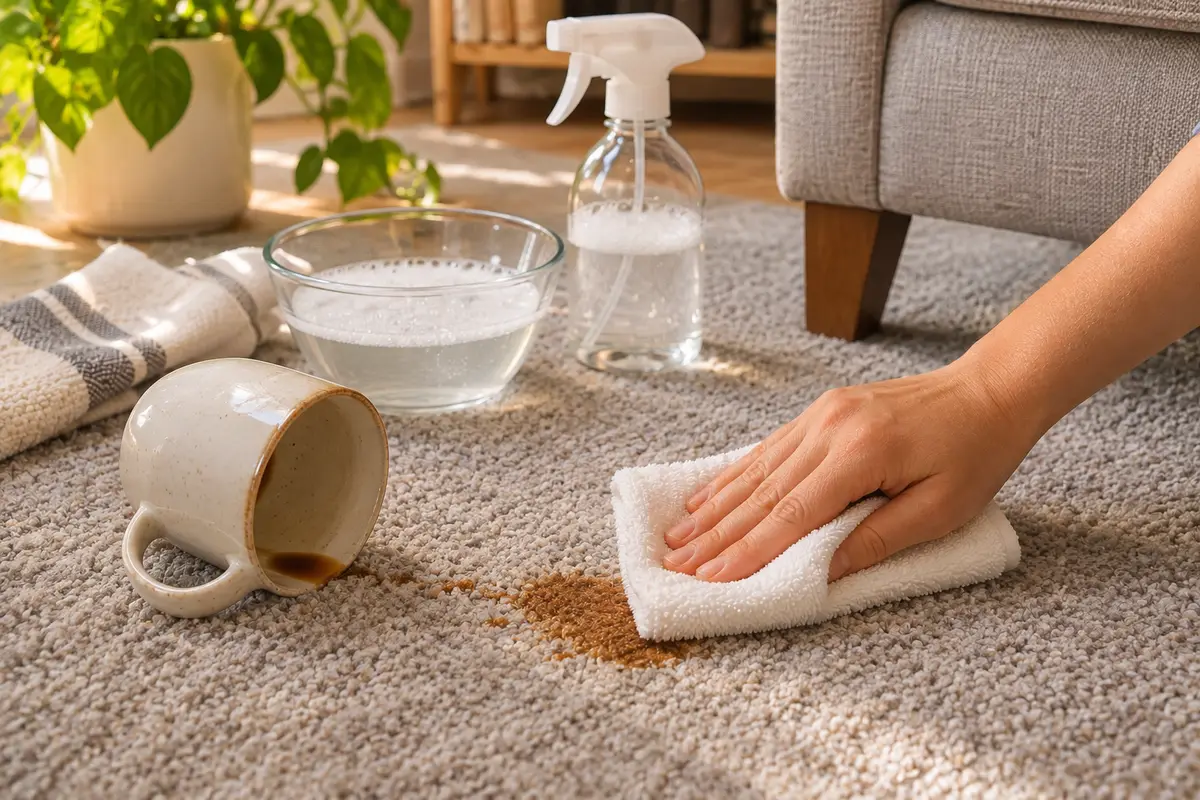
Press a dry white cloth or a stack of white paper towels onto the spill and lift straight up; switch to a clean section each time it turns pink. Work from the outer edge toward the center so the ring does not grow. For a full glass or more, pull the liquid out first with a wet/dry vacuum or a portable spot cleaner on suction only.
02
Step 2 of 6
Blot with a cloth dampened in plain water
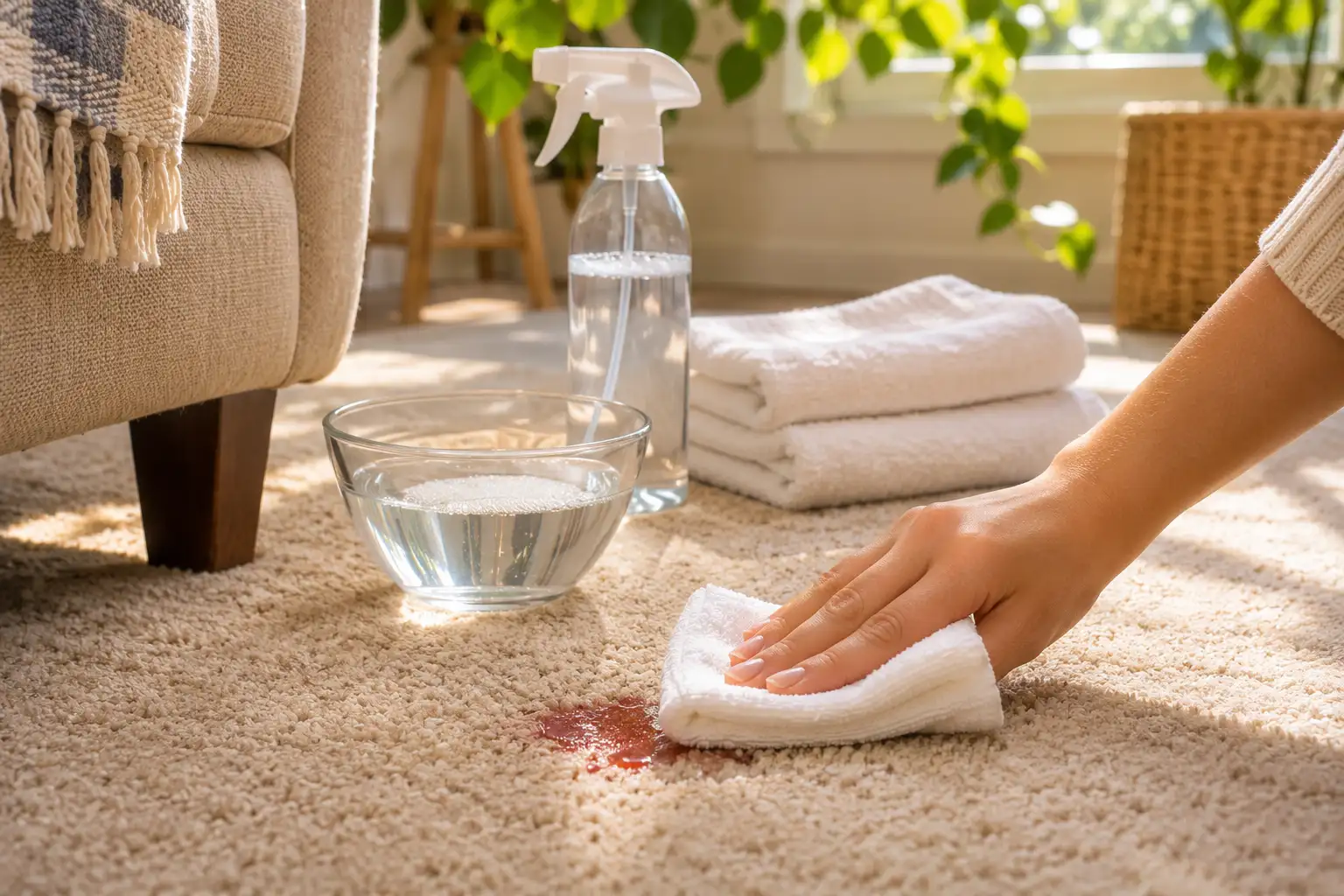
Wet a clean microfiber cloth with cool or lukewarm water, wring it out, and blot the stain repeatedly. Plain water alone removes most fresh wine. Keep going as long as color is moving onto the cloth.
03
Step 3 of 6
Mist a weak dish-soap solution and blot
Mix a few drops of clear dish soap (never more than 1/4 teaspoon) into 1 cup of lukewarm water in a spray bottle. Mist the stain lightly, wait 2 to 3 minutes, then blot with a dry cloth. Repeat mist and blot until no more wine transfers.
04
Step 4 of 6
Lift the leftover pink with 3% hydrogen peroxide (synthetic carpet only)
If a pink or purple shadow remains on nylon, polyester or olefin carpet, first test fresh 3% hydrogen peroxide on a hidden spot and let it dry. If the color holds, dab or mist the peroxide onto the stain and leave it in place; it can take up to a few hours or two or three applications to fade. Do not use this step on wool, wool blends or other natural fibers; go to the professional option below instead.
05
Step 5 of 6
Rinse out every cleaning agent
Mist the area with clear lukewarm water and blot, two or three times. If you own a portable spot cleaner, run it with clear water only now that the stain is gone, making 2 wet passes and 3 or 4 slow dry passes.
06
Step 6 of 6
Dry the spot fast and flat
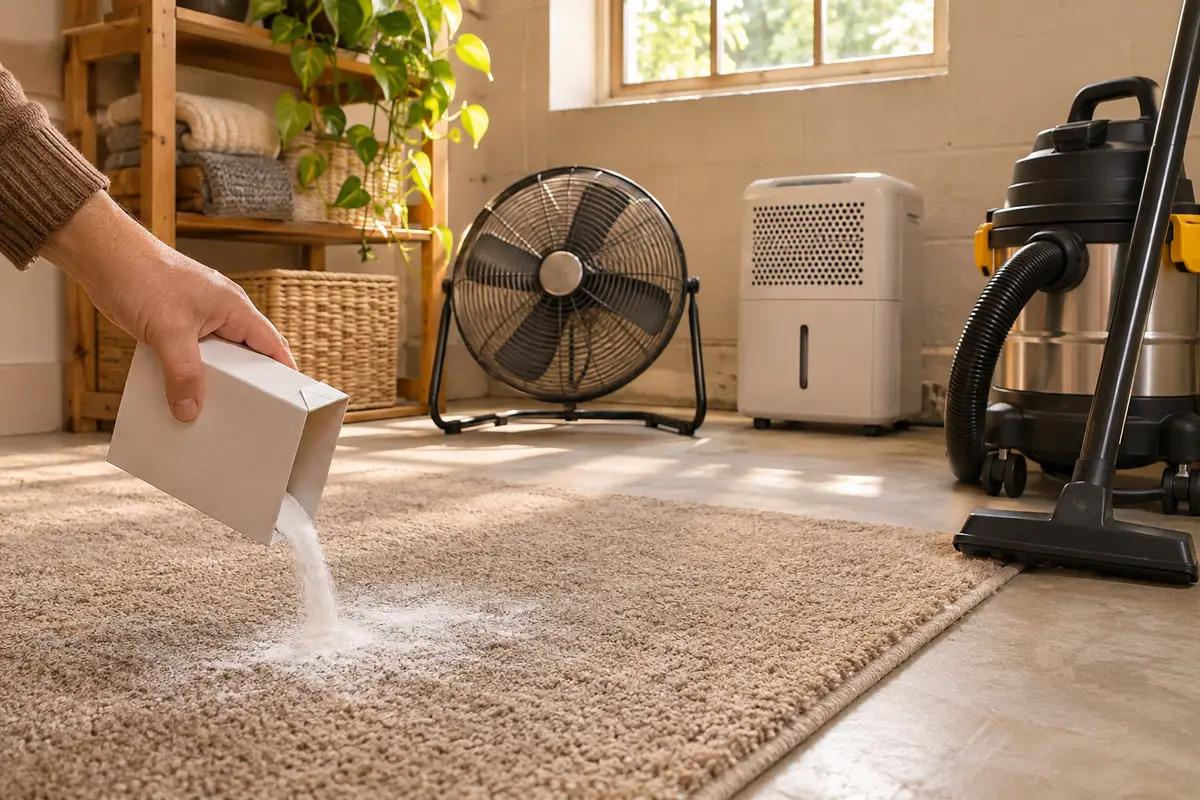
Cover the spot with 6 to 10 layers of white paper towel or a folded white terry towel, put a plastic bag on top, and weigh it down with a few books. Leave it for 6 to 8 hours, changing the towels whenever they show pink or feel wet. Then fan-dry the pile and brush the yarns upright with your fingers.
If that didn’t work
Stubborn or set-in? Try these next, in order.
AIf the stain reappears a day or two later, wine has wicked up from the backing or pad. Mist the spot with 3% hydrogen peroxide (synthetic carpet, after a test) or with plain water, and blot gently with a microfiber cloth until it is gone, then dry under a weighted towel.
BFor dried or old wine stains, rehydrate with a water-dampened cloth for a few minutes, then work through steps 3 to 6. Expect several rounds; old stains rarely clear in one pass.
CIf a pink stain will not shift, or the carpet is wool, silk or another natural fiber, call an IICRC-certified cleaning technician. Stubborn red wine residue is most common on natural fibers and older synthetic carpet, and professionals have stronger spotters and extraction equipment.
Red wine on a couch or upholstered chair
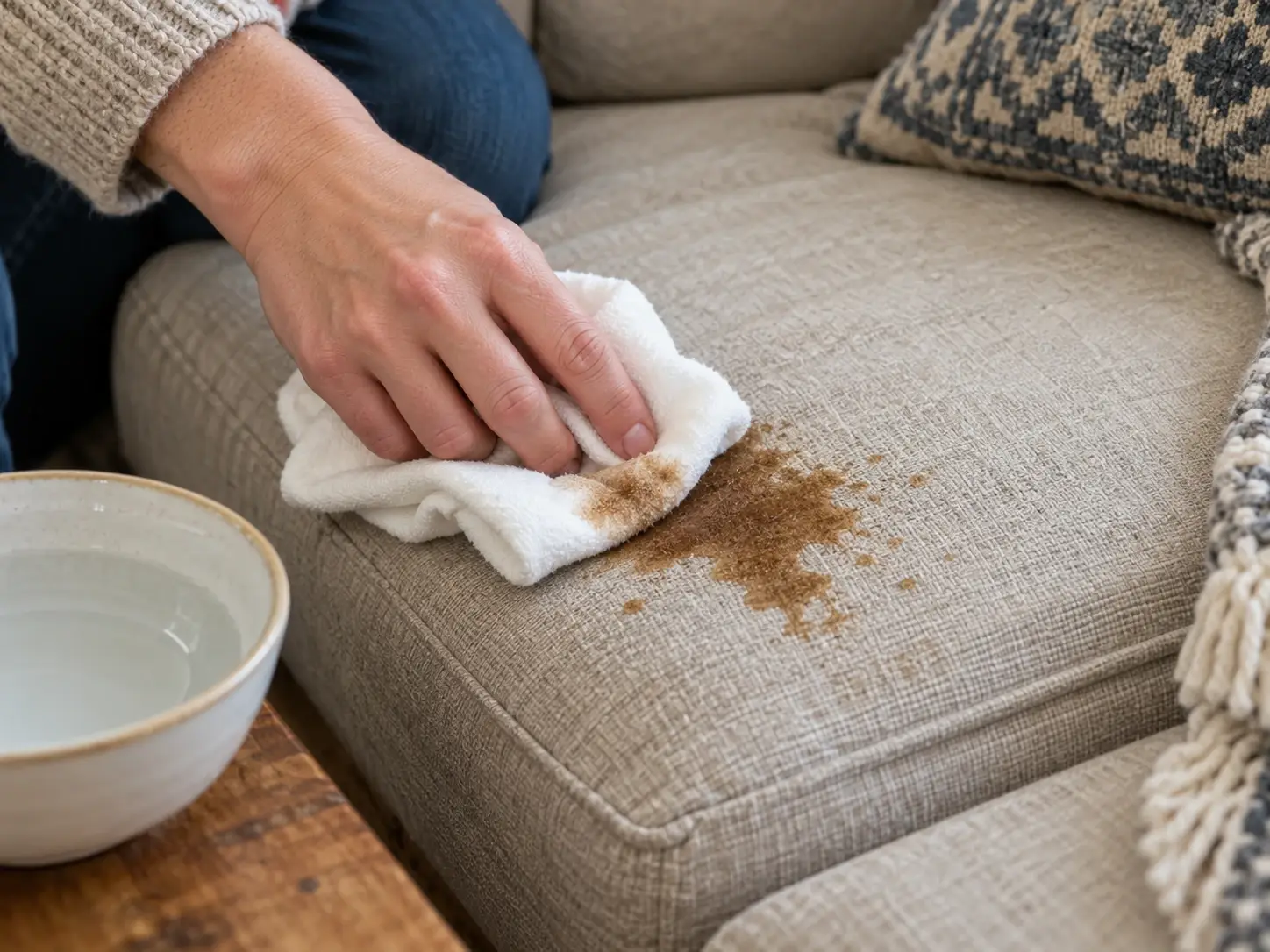
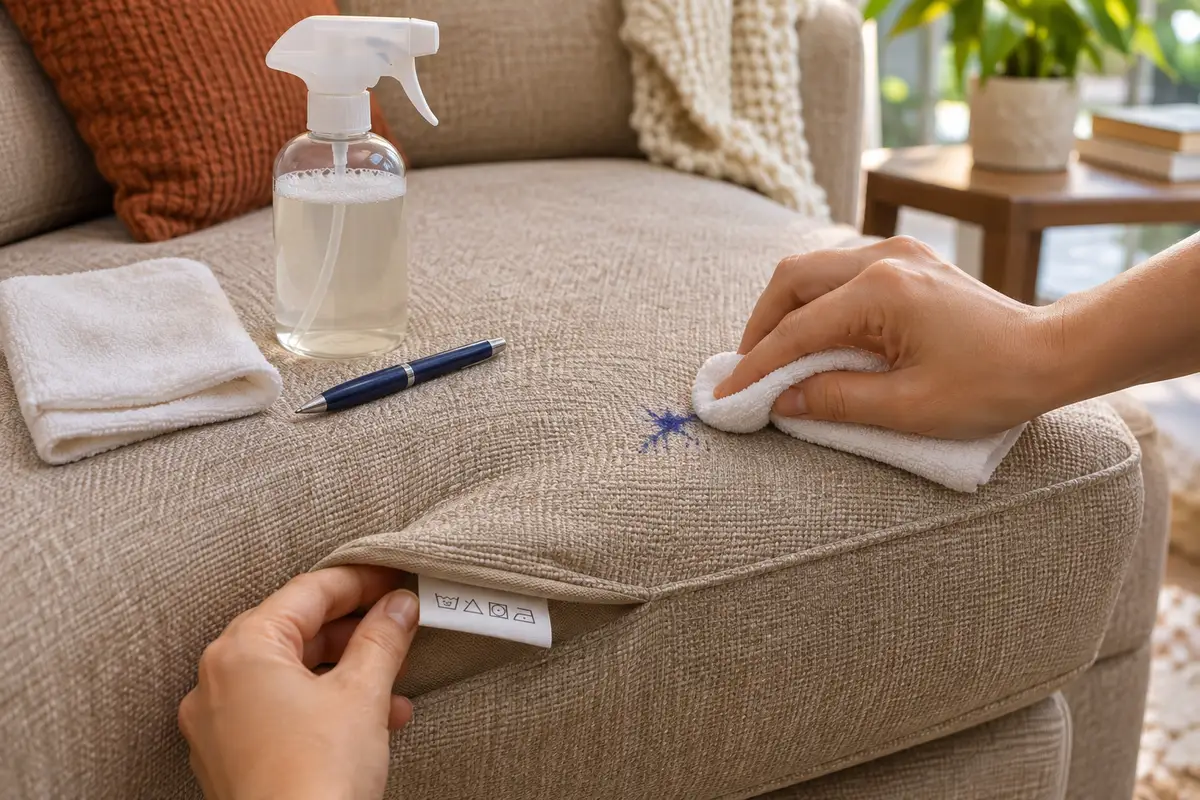
Blot at once, from the outside of the spill toward the middle, as La-Z-Boy advises, then check the cleaning code before any liquid goes on. Ashley says the tag is under a seat cushion or beneath the unit: W means water-based cleaners only, S means dry-cleaning solvent only with no water, WS means either without saturating, and X means vacuuming or light brushing only. The University of Georgia Extension says to pretest every cleaning agent on a hidden area for colorfastness, and notes that alcohol dissolves many finishes, so react quickly.
On W or WS fabric, the University of Georgia Extension upholstery method is to blot with 1 teaspoon of neutral detergent in a cup of lukewarm water, then with 1/3 cup of white vinegar in 2/3 cup of water, then with the detergent solution again, without rubbing harshly or soaking. Sponge lightly with clear water, keep the backing and padding as dry as you can, and dry the cushion as fast as possible. Overwetting is what causes rings: UGA says it can make the finish migrate and leave a circle, and the IICRC says water rings on cotton and linen are a form of browning that you should leave to an IICRC-certified technician rather than try to fix yourself.
S fabric: skip water and the detergent and vinegar rounds; Ashley and La-Z-Boy say to use only a water-free dry-cleaning solvent, applied sparingly.
X fabric: Ashley says no water-based or solvent cleaner at all; vacuum or brush lightly and call a professional for the stain.
Cotton or linen: UGA says to dilute vinegar 2 parts water to 1 part vinegar.
Leave the cover on the cushion; UGA and Ashley both say not to remove it for washing.
Red wine on clothes and washable fabric
Blot, then turn the fabric inside out and run cold water (or club soda, as Tide suggests) through the back of the stain so the wine is pushed out the way it came in. Tide says to work stain-release liquid or liquid detergent into the spot for about 5 minutes, rinse in cold water and wash as the care label allows. Tide and Clorox both say not to dry the garment until the stain is completely gone, because drying sets it, so check it while damp and air dry between attempts. OxiClean says salt is not effective on clothing and may set the stain.
If a pink shadow remains, soak washable fabric in oxygen bleach made and timed exactly as the label says; OxiClean's wine page calls for 6 hours for tough stains and says never to heat or boil the solution. OxiClean says not to use it on silk, wool, their blends, leather or dry-clean-only fabric, which should go to a professional cleaner. For a set stain, Tide suggests three parts hydrogen peroxide to one part stain-release liquid, tested on a hidden spot and left up to an hour. On white, bleach-safe fabric, Clorox says chlorine bleach must always be diluted per the label, never used full strength.
Wash in the warmest water the care label allows once the stain is treated, as OxiClean and Clorox recommend.
Last resort: UGA Extension suggests sponging a remaining stain with rubbing alcohol, but test a seam first because it may remove dye.
Never mix chlorine bleach with ammonia, vinegar or other acids.
As an Amazon Associate, HouseCareWiki earns from qualifying purchases. It costs you nothing extra. How we make money
8.2/10HouseCareWiki rating 8.2 out of 10, research-based
Paid promotion: Little Monsters pays HouseCareWiki a higher commission on this model through Amazon until December 17, 2026. Our notes and scores don’t change because of it.
9.0/10HouseCareWiki rating 9.0 out of 10, research-based
Paid promotion: Shark pays HouseCareWiki a higher commission on this model through Amazon until December 19, 2026. Our notes and scores don’t change because of it.
Does salt or club soda get red wine out of carpet?
They are popular home tricks, but the IICRC recommends its tested blot, water and mild dish-soap procedure instead of internet remedies. Club soda is mostly water, so plain water does the same first-stage job, and salt adds nothing the blot-and-rinse method does not already do.
Will hydrogen peroxide bleach my carpet?
It can. Fresh 3% hydrogen peroxide is the IICRC-recommended treatment for residual wine color on synthetic carpet, but natural fibers such as wool can show bleaching around the spot and some dyes are less stable. Always test a hidden area and let it dry before treating the stain, and never use stronger peroxide.
How do I get red wine out of a wool carpet?
Blot, then use only plain water and a very weak dish-soap solution, blotting rather than rubbing, and rinse well. Skip hydrogen peroxide and ammonia on wool, and if you use a store-bought spotter, choose one labeled safe for wool and rinse it out completely. If a pink mark remains, call an IICRC-certified cleaner rather than experimenting.
Can you get out a red wine stain that has dried?
Often, yes. Dampen the dried stain with water for a few minutes to loosen it, then repeat the dish-soap mist and blot, and on synthetic carpet follow with 3% hydrogen peroxide after a test. Old stains on natural fibers or older carpet may need a professional.
Why did the wine stain come back after it dried?
This is called wicking: wine that soaked into the backing or pad travels up the yarns as the carpet dries. Blot it again with a little water or peroxide, and dry the spot under a weighted stack of paper towels so the moisture moves into the towels instead of the pile.
What if my couch has an S cleaning code?
Do not use water or the detergent and vinegar method. Ashley says S fabric should be cleaned only with a dry-cleaning solvent, without saturating it, and La-Z-Boy says to use a water-free dry-cleaning solvent and not water. Blot the spill, then use a solvent upholstery cleaner sparingly according to its label, or call a professional.
Why did a ring appear after I cleaned wine off my couch?
Too much water is the usual cause. The University of Georgia Extension says overwetting can make the fabric finish migrate and leave a circle, and that sizing rings can form when fabric gets too wet. The IICRC says water rings on cotton and linen are a form of browning that happens when plant fibers get wet and dry slowly, and that you should not try to fix browning yourself.
Does red wine come out of clothes after washing?
Often, yes, as long as the garment has not been through the dryer. Pretreat with liquid detergent, then soak in oxygen bleach per the label and wash again. Tide and Clorox both say not to dry the item until the stain is gone, because drying sets it.
Should you use hot or cold water on red wine on clothes?
Use cold or cool water for the first rinse and the pretreatment. Once the stain has been treated, the wash itself can go at the warmest temperature the care label allows, which is what OxiClean and Clorox recommend.
Sources we relied on
1.IICRC Consumer Floor and Furnishings Care Information (Tip Sheet: Carpet Topics) — Institute of Inspection, Cleaning and Restoration Certification (IICRC). Wine section: extract large spills with a wet/dry vacuum, blot with a dry cloth, blot with water, mist a few drops of dish soap per cup of water, use 3% hydrogen peroxide for residual color (not on wool or natural fibers without extensive testing), rinse with a home machine, mist peroxide for wicking, and call an IICRC Certified professional for stubborn pink stains; the general spotting section adds 6 to 10 layers of weighted towels left 6 to 8 hours.
2.Wine - The Carpet and Rug Institute — The Carpet and Rug Institute (CRI). Act quickly, blot with white cloths, pretest solutions in a hidden area, work from the edges inward without rubbing, use 1/4 teaspoon dish detergent per cup of lukewarm water (never stronger, never laundry or dishwasher detergent), rinse thoroughly to avoid residue, and consult a professional for stubborn spills.
3.Remove Stains From Alcoholic Beverages, Beer, Wine — University of Georgia Cooperative Extension. For upholstered furniture, mix 1 teaspoon of neutral detergent with a cup of lukewarm water and blot with a clean white cloth without rubbing harshly or soaking, then blot with 1/3 cup white vinegar in 2/3 cup water, repeat the detergent solution, sponge with clear water without getting the backing and padding too wet, and dry as rapidly as possible; pretest every cleaning agent on an inconspicuous area; overwetting can make the finish migrate and leave a circle and sizing rings can form when fabric gets too wet; do not separate the cover from the cushion; dilute vinegar 2 parts water to 1 part vinegar on cotton or linen; alcohol dissolves many finishes, so react quickly. For washable clothes, sponge or rinse promptly in cool water, pretreat with a pre-wash stain remover or liquid laundry detergent, launder, use oxygen bleach where chlorine is unsafe for the fabric, and sponge remaining stain with rubbing alcohol, which may remove dye.
4.Cleaning Codes — Ashley Furniture Industries, LLC. The cleaning code tag is under a seat cushion or beneath the unit; W means water-based upholstery shampoo or foam only, no solvents and no overwetting; S means dry-cleaning solvent only, without saturating and without water; WS means upholstery shampoo, mild detergent foam or mild dry-cleaning solvent without saturating; X means no water-based or solvent-based cleaners, only vacuuming or light brushing; cushion covers on W, S and WS pieces should not be removed for laundering or dry cleaning.
5.Fabric and Leather Care — La-Z-Boy. Blot a spill immediately and clean spots from the outside to the middle to prevent circling; code W is water-based shampoo or foam only with a pretest first, code S is a water-free dry-cleaning solvent with no water, code W-S uses neutral soap and water for water-based stains or a solvent cleaner for heavier oil-based stains, and code X allows no liquid or foam cleaner, only vacuuming or light brushing; test an inconspicuous area and do not oversaturate; use a professional furniture cleaning service when an overall soiled condition is reached.
6.IICRC Consumer Floor and Furnishings Care Information (Upholstery Tip Sheet) — Institute of Inspection, Cleaning and Restoration Certification (IICRC). Cellulosic browning occurs when plant-based fibers such as linen or cotton get wet and dry slowly, and water rings are a form of browning that can follow spills or spot cleaning; do not attempt to fix browning yourself but contact an IICRC technician; natural fiber fabrics need a lighter touch; fabric protector gives extra time to blot spills and improves spot cleaning but does not plug gaps in the weave, and liquids will not keep beading as the surface layer wears.
7.How to Remove Red Wine Stains from Clothes — Tide. Pour club soda or cold water on the stain, blot, pretreat by working in stain-release liquid for 5 minutes, rinse in cold water (running cold water through the back of the stain when on the go), wash per the care label, and do not dry until the stain is gone because drying sets it; for set stains use three parts hydrogen peroxide to one part stain-release liquid for up to an hour after a spot test.
8.How to Remove Wine Stains — OxiClean. Soak tough wine stains for 6 hours in a dissolved solution, do not heat or boil it, wash in the warmest water the fabric accepts, do not use on silk, wool, their blends, leather or dry-clean-only fabrics, test first, and do not use salt, which is not effective on clothing and may set the stain.
9.How to Get Red Wine Out of Clothes — Clorox. Blot the spill, apply club soda, use diluted chlorine bleach only on white bleach-safe clothes and never full strength, use a color-safe stain remover for colors, wash in the hottest water the care label recommends, air dry and check, and do not tumble dry until the stain is completely removed.