How to clean out a fireplace: ashes and glass doors
Wait until the ashes are cool, leave about an inch as a bed for the next fire, scoop the rest into a lidded metal container, soak them with water, and set the container at least 10 feet from the house. Then clean the glass once it is cold: non-ammonia cleaner on gas units, damp newspaper and ash on wood stoves. Steps from NFPA, the U.S. Fire Administration, EPA Burn Wise, Regency, Valor and Jøtul.
For the glass: non-ammonia fireplace glass cleaner and two microfiber cloths (gas), or newspaper and cool ash (wood)
Step by step
01
Step 1 of 7
Wait Until the Fire Is Out and the Ashes Are Cool
Do not clean out ashes right after a fire. NFPA says to allow ashes to cool before disposing of them, and EPA Burn Wise says to remove them after they have cooled, not while they are hot.
02
Step 2 of 7
Open the Doors Slowly and Protect the Hearth
Open glass doors or the screen slowly so ash does not puff into the room; EPA suggests this to reduce indoor exposure to smoke and ash. Lay a drop cloth on the hearth and nearby floor.
03
Step 3 of 7
Leave About an Inch of Ash
If you burn regularly, leave about an inch of ash in the firebox. EPA Burn Wise says this helps keep the hot coals insulated during the next fire.
04
Step 4 of 7
Shovel the Rest into a Metal Container with a Lid
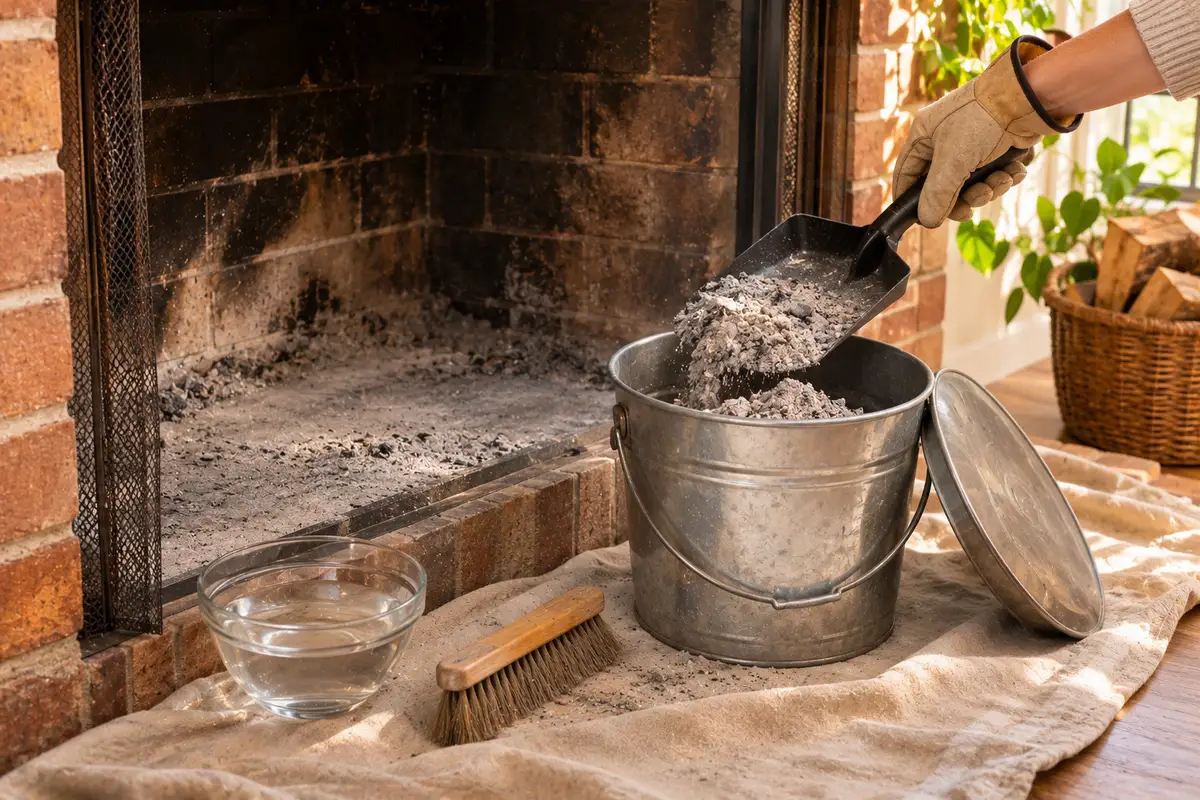
Scoop the remaining ash gently into a metal container with a tight lid, keeping the shovel low to limit dust. Brush the last bits off the hearth into the container.
05
Step 5 of 7
Soak the Ashes with Water
Pour water over the ashes until they are saturated, then put the lid on. NFPA says to douse and saturate ashes with water and never to empty them straight into a trash can.
06
Step 6 of 7
Set the Container Outside, 10 Feet from the House
Place the closed container outdoors at least 10 feet from your home, garage, deck and any other buildings. Keep it away from anything flammable until you dispose of the ashes.
07
Step 7 of 7
Schedule an Annual Chimney Inspection
Have the chimney and fireplace inspected by a qualified professional at least once a year, and cleaned when needed. NFPA 211, as cited by the Chimney Safety Institute of America, calls for yearly inspection, and creosote buildup in the chimney is highly combustible.
If that didn’t work
Stubborn or set-in? Try these next, in order.
AIf you see glowing embers or feel heat while shoveling, stop, close the fireplace screen and wait longer before trying again.
BIf you want to use the ash in the garden, Oregon State University Extension says to test the soil first, skip it if soil pH is above 7.0, use no more than 10 pounds per 100 square feet a year, and keep it away from acid-loving plants such as blueberries, rhododendrons and azaleas.
CUse only ash from clean, untreated firewood in the garden; OSU Extension warns against ash from trash, cardboard, coal, charcoal or painted, stained or pressure-treated wood.
DIf smoke backs up into the room or you see heavy black buildup inside the firebox or flue, stop using the fireplace and have a chimney professional inspect it.
Cleaning fireplace and wood stove glass
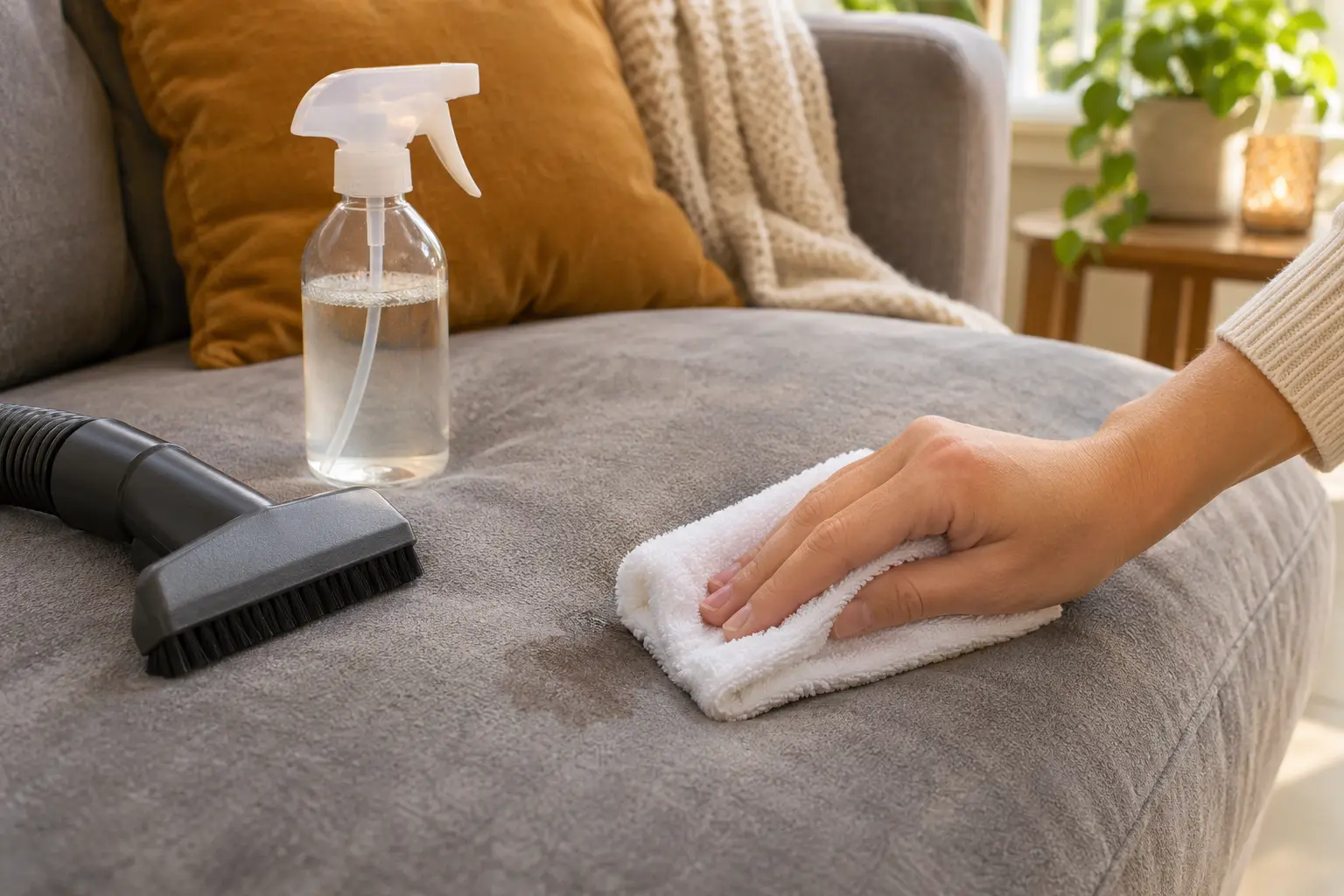
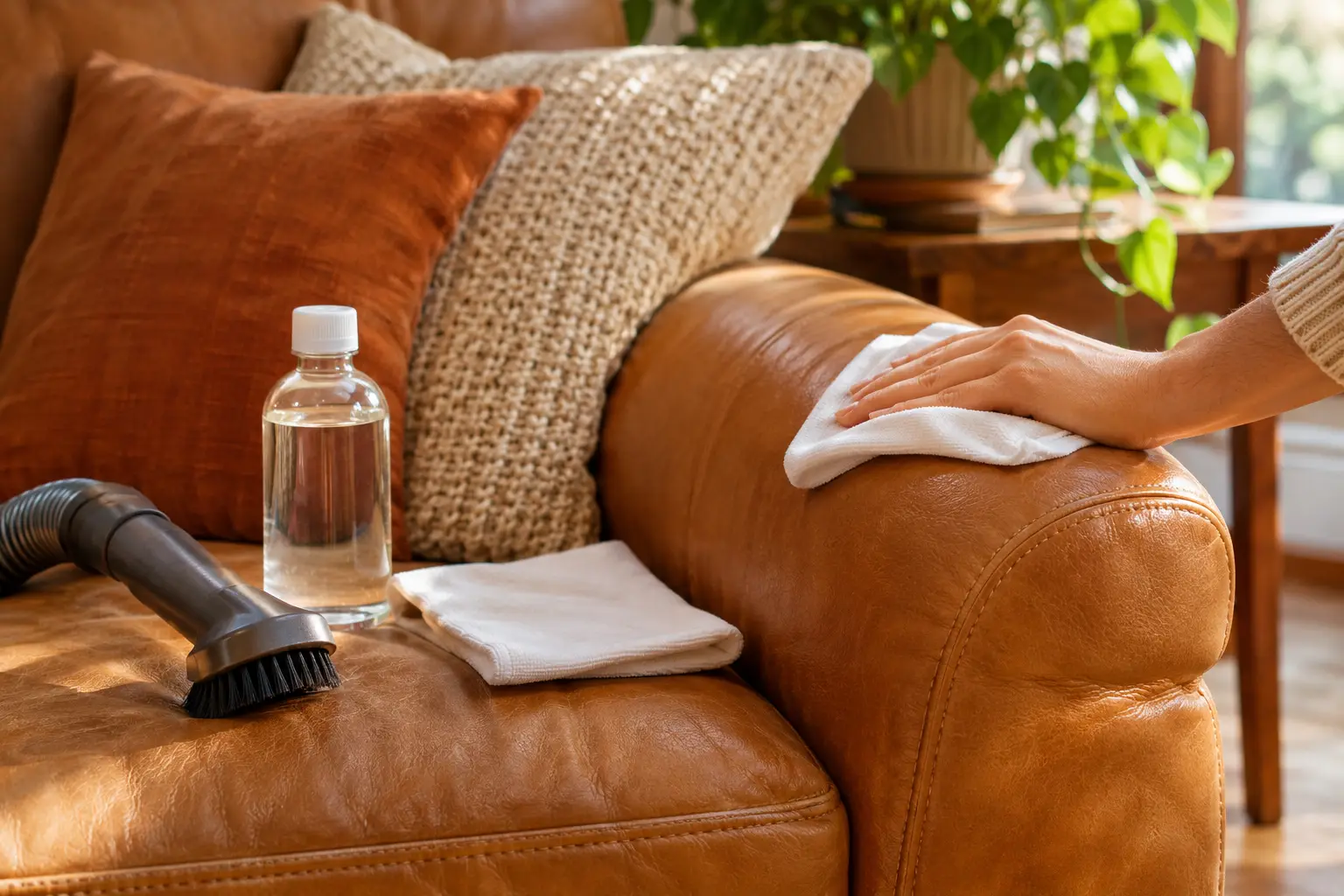
Clean the glass only when the fireplace is completely cold. Valor says the glass is extremely hot in operation and stays hot for a period after the fireplace is turned off, and CPSC says gas fireplace glass fronts can reach 500°F or more. On a gas fireplace, Regency says to remove the glass as your owner's manual describes, lay it on a soft padded surface, apply an approved fireplace glass cleaner or a non-ammonia glass cleaner with a microfiber cloth and buff with a second cloth. Valor says never to use ammonia-based cleaners such as Windex or abrasive cleaners, and that most paper towels and synthetic materials are abrasive to ceramic glass. The cloudy white film that builds up inside, especially after break-in, is a mineral byproduct of combustion; Valor warns it can etch into the glass permanently if left for long, and that etching is not covered by its warranty.
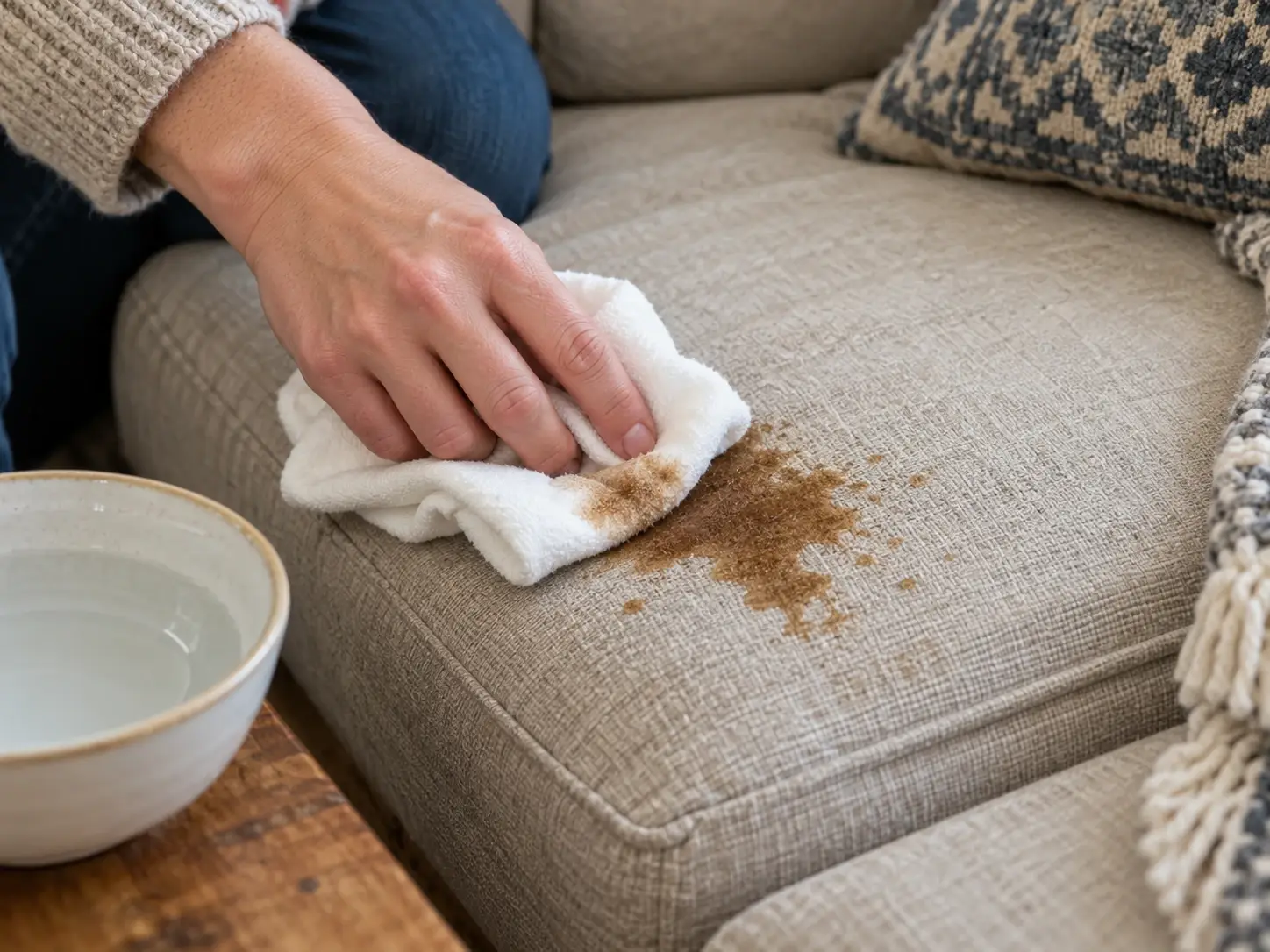
Wood stove and wood fireplace glass is cleaned with the same ash you leave in the firebox. Regency and Jøtul both describe crumpling a lightly dampened sheet of newspaper, dipping it in the fine, cool ash and rubbing the glass in small circles, repeating on heavily sooted areas, then wiping with dry newspaper or a microfiber cloth. Wear gloves: Jøtul notes that soot and water together form a lye that is hard on the hands. If the glass blackens quickly, Regency says the wood may be too wet or the fire may not be burning efficiently, and Jøtul notes a good fire burns off excess soot.
Clean the glass when it starts to look cloudy, as Regency recommends.
Inspect the glass for cracks or chips while it is out; Regency says not to operate the fireplace without its glass front or with cracked or broken glass.
Securely refit the glass and the barrier screen before lighting the fireplace again, as Valor directs.
Hard black creosote that newspaper and ash will not shift points to wet wood or poor combustion; have the stove and chimney inspected.
Common questions
How do you safely dispose of fireplace ashes?
Let them cool, scoop them into a metal container with a tight lid, soak them with water, and keep the container outdoors at least 10 feet from your home and other buildings. NFPA says never to empty ashes directly into a trash can.
How far from the house should an ash bucket be?
At least 10 feet from the home and any other buildings, according to NFPA and the U.S. Fire Administration.
Should you leave some ash in the fireplace?
Yes, a little. EPA Burn Wise recommends leaving about an inch of ash in the firebox to help insulate the hot coals.
How often should a fireplace chimney be inspected?
At least once a year. NFPA 211, cited by the Chimney Safety Institute of America, says chimneys, fireplaces and vents shall be inspected annually, with cleaning or repairs as needed, even if you use the fireplace only occasionally.
Can you put fireplace ashes in the garden?
Sometimes. Oregon State University Extension says wood ash can help acidic, low-potassium soils, but not soils with a pH above 7.0. Limit it to 10 pounds per 100 square feet per year, and wear gloves, eye protection and a dust mask when spreading it.
Can you use Windex on fireplace glass?
Not on gas fireplace glass. Valor says not to use ammonia-based cleaners, naming Windex, and Regency calls for an approved fireplace glass cleaner or a non-ammonia glass cleaner.
What is the white film on gas fireplace glass?
Valor describes it as a mineral byproduct of combustion, believed to be related to the varying sulfur content of the gas. Regency notes it often builds up after the initial break-in. Clean it off when the glass starts to look cloudy, because left too long it can etch into the glass.
How do you clean black soot off wood stove glass?
Once the stove is cold, rub the glass with lightly dampened, crumpled newspaper dipped in fine ash, using small circles, then wipe with dry newspaper or a microfiber cloth. Wear gloves. Both Regency and Jøtul recommend this method.
Sources we relied on
1.Educational Messages Desk Reference, 2026 Edition — National Fire Protection Association. Allow ashes to cool before disposing of them; place them in a tightly covered metal container kept at least 10 feet from the home and nearby buildings; never empty ashes directly into a trash can, douse and saturate them with water first; chimneys and vents need cleaning and inspection by a professional at least once a year; keep a 3-foot safety zone; glass doors and screens can remain dangerously hot for several hours; use a metal or heat-tempered glass screen; never burn trash in the fireplace.
2.Fireplace and Wood Stove Safety — U.S. Fire Administration (FEMA). Put ashes in a metal container with a lid and place it outside at least 10 feet from your home; have your chimney inspected and cleaned each year by a professional; keep anything that can burn at least 3 feet from the fireplace; do not burn paper; keep a glass or metal screen in front of the fireplace.
3.Tips for a Better Burn — U.S. Environmental Protection Agency (Burn Wise, archived). Leave about an inch of ash in the firebox to help keep the hot coals insulated; remove ashes after they have cooled, not when hot; dispose of ash in a metal container away from flammable materials, including your house.
4.Burn Wise: Facts & Figures + Health and Safety Tips — U.S. Environmental Protection Agency (Burn Wise, archived). Open the stove door slowly and remove ash after it has cooled to reduce indoor exposure to smoke and ash; have the wood-burning appliance and chimney inspected annually.
5.Homeowner Resources — Chimney Safety Institute of America. Quotes NFPA 211: chimneys, fireplaces and vents shall be inspected at least once a year, with cleaning, maintenance and repairs as needed; annual inspection applies even to chimneys used infrequently.
6.Preventing Chimney Fires — Chimney Safety Institute of America. Annual inspection by a qualified professional helps prevent chimney fires and carbon monoxide intrusion; creosote, whatever form it takes, is highly combustible.
7.Use fireplace ash sparingly to boost garden soil — Oregon State University Extension Service. Test soil pH first and do not apply wood ash if pH is above 7.0; limit it to 10 pounds per 100 square feet per year; wear eye protection, gloves and a dust mask; keep it away from acid-loving plants such as blueberries, rhododendrons and azaleas; do not use ash from trash, cardboard, coal, charcoal or pressure-treated, painted or stained wood.
8.Cleaning Fireplace Glass — Regency Fireplace Products. Ensure the unit is cool before maintenance; for gas units remove the glass per the manual, lay it on a soft padded surface, apply an approved fireplace glass cleaner or non-ammonia glass cleaner with a microfiber cloth and buff with a second cloth; for wood units rub with lightly dampened crumpled newspaper dipped in ash in a circular motion, then wipe with dry newsprint or microfiber; fast-dirtying wood stove glass suggests wet wood or inefficient burning.
9.How To Take Care of Your Fireplace: FAQs — Regency Fireplace Products. A white film can build up on the inside of the glass after break-in; clean the glass when it looks cloudy and do not use abrasive materials; do not clean the glass while hot and let a wood stove cool before removing glass; do not operate without the glass front or with cracked or broken glass; replacement glass ships with the gasket installed.
10.Maintaining Your Gas Fireplace — Valor Fireplaces. The glass is extremely hot in operation and stays hot after the fireplace is off; white film is a mineral byproduct of combustion believed linked to sulfur content of the gas and can etch into the glass if left; etching is not covered by warranty; use an emulsion-type cleaner, never ammonia-based cleaners such as Windex or abrasive cleaners; most paper towels and synthetics are abrasive to ceramic glass; replace the window and barrier screen before lighting.
11.Step-by-step guide to sparkling clean wood stove glass — Jøtul. Crumple a damp piece of newspaper, dip it in the stove ash and clean the glass in small circular motions, repeating on heavily sooted areas; wear gloves because soot and water form a lye that is hard on the hands; a good fire burns off excess soot.
12.Protect Young Children from Burns on Glass Fronts of Gas Fireplaces: Use Protective Barriers — U.S. Consumer Product Safety Commission (OnSafety). Glass fronts of gas fireplaces can reach 500°F or even 1,000°F and severe burns can happen in seconds; starting January 1, 2015, new gas fireplaces come with a protective barrier; owners of older units should get a retrofit barrier and supervise young children.