Warm water on a wrung-out microfiber cloth, a second dry cloth to buff, and never a spray aimed straight at the glass. Why mirror makers ban ammonia and vinegar cleaners, and how wet edges turn into black edge.
Two clean, soft, lint-free and grit-free microfiber cloths per mirror (one damp, one dry)
Clean warm water
Optional: an ammonia-free, vinegar-free glass cleaner, applied to the cloth only
Step by step
01
Step 1 of 7
Check the Care Instructions for Your Mirror
If you have the manufacturer's care sheet, especially for a lighted or two-way mirror, read it first and follow it where it differs from this guide. Some warranties can be voided by the wrong cleaner or method.
02
Step 2 of 7
Start with Plain Warm Water
Mirror manufacturers call clean, warm water the best and safest mirror cleaner. If you want to use a product, choose one that is ammonia-free and contains no vinegar, acid or alkali, and never use anything abrasive.
03
Step 3 of 7
Use a Clean, Soft Microfiber Cloth
Pick a soft, lint-free, grit-free cloth; Electric Mirror names a clean microfiber cloth as the best choice. Grit trapped in a dirty cloth can scratch the surface, so start with a fresh cloth for each mirror.
04
Step 4 of 7
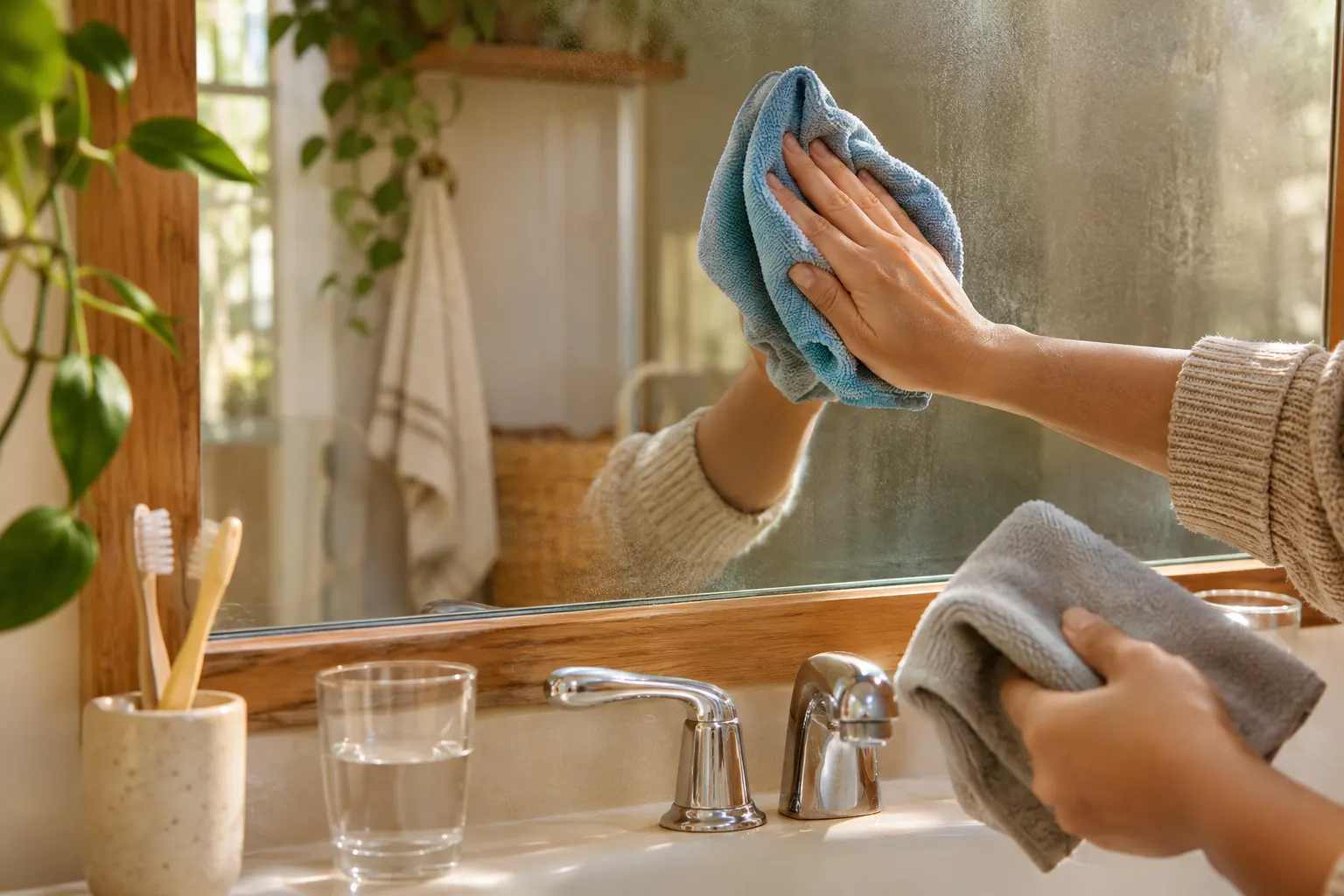
Wet the Cloth, Not the Mirror
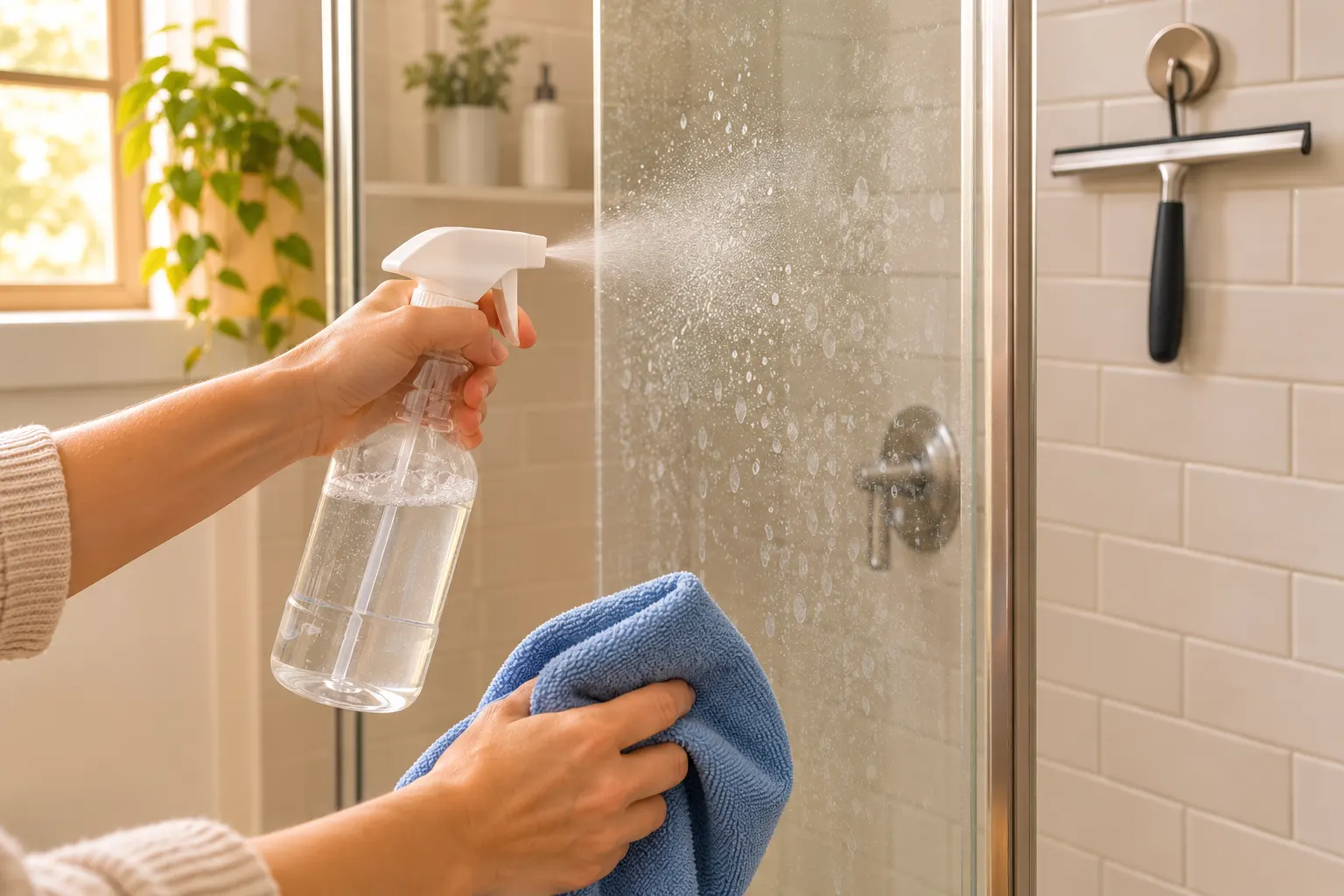
Dampen the cloth with warm water or apply the cleaner to the cloth, then wring out all excess liquid before it touches the glass. Never spray the mirror itself: overspray runs down to the edges, where it can damage the backing.
05
Step 5 of 7
Wipe the Mirror, Working Away from Seams
Wipe the face of the mirror with the barely damp cloth. If several mirror panels meet on one wall, clean one panel at a time and wipe in the direction of the joints, or away from them, so cleaner does not collect where the panels meet.
06
Step 6 of 7
Buff Dry Immediately with a Second Cloth
Right away, dry the whole mirror with a clean, dry, lint-free cloth. Do not leave it to air-dry; mirror makers say to dry the glass immediately after wiping.
07
Step 7 of 7
Dry the Edges and Joints Last
Finish by running the dry cloth along every edge and joint so no water or cleaner is left touching the edges or the back of the mirror. If an edge does get wet, dry it immediately.
If that didn’t work
Stubborn or set-in? Try these next, in order.
AIf streaks remain, the cloth was probably too wet or not clean. Switch to a fresh microfiber cloth, wring it out until it is only barely damp, wipe again, and buff dry immediately with a dry cloth.
BFor stubborn surface marks or dirt on a standard mirror, GANA and Bobrick allow #0000 oil-free steel wool instead of solvents, which can attack the edges and backing. Do not use it on two-way mirrors, and check your manufacturer first: Electric Mirror forbids any abrasive on its mirrors.
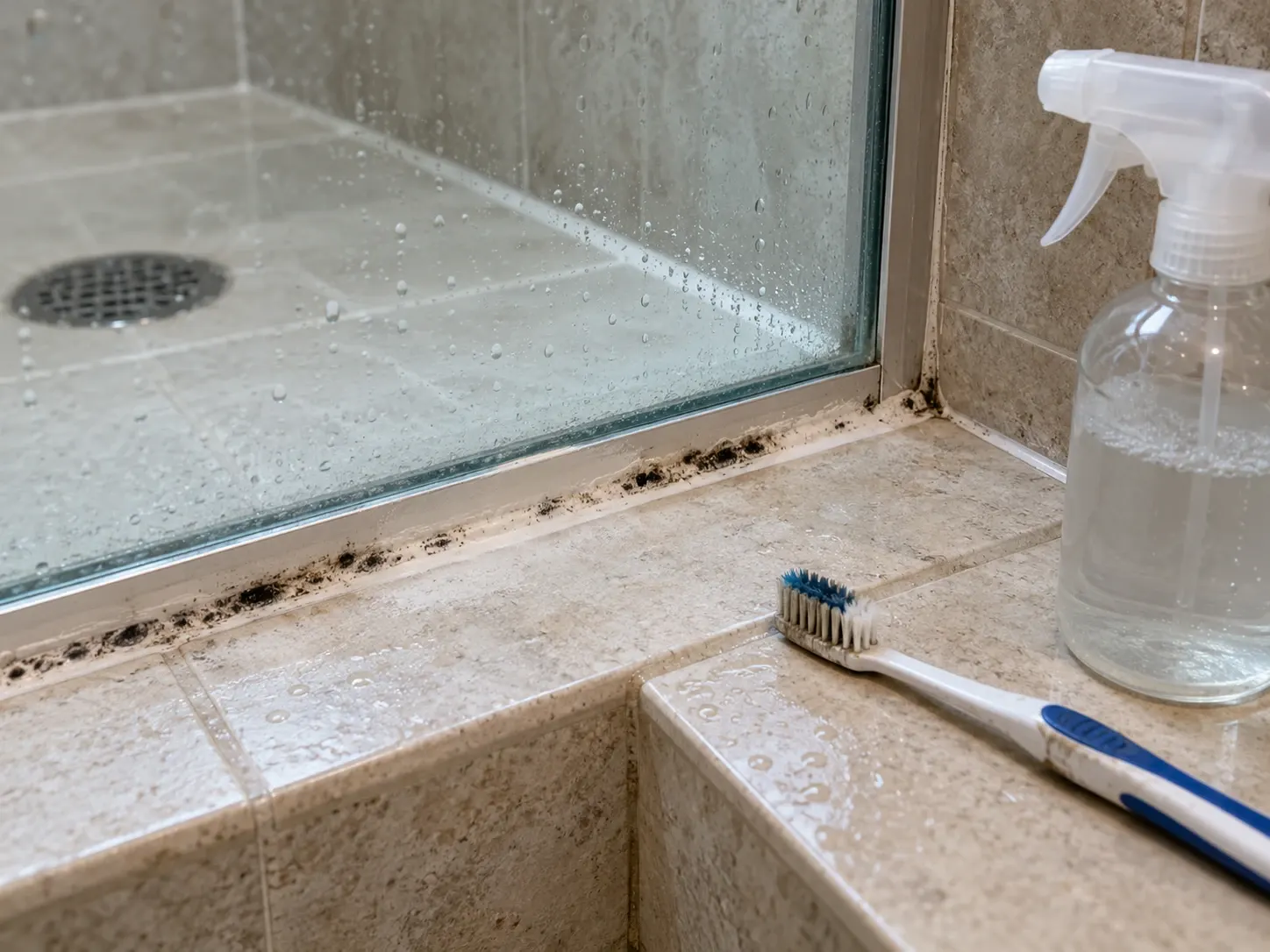
CDark marks creeping in from the edges are black edge, which is damage to the mirror rather than dirt, so more cleaning will not help. Keep the edges dry from now on and contact the mirror supplier if the mirror is under warranty.
Common questions
What is the best thing to clean a mirror with?
Mirror manufacturers and the Glass Association of North America say the best and safest cleaner is clean, warm water on a soft, lint-free cloth, wrung out before wiping and followed immediately by a dry cloth. Electric Mirror names a clean microfiber cloth as the best choice.
Can I use Windex on a mirror?
Only if the product you use is ammonia-free and vinegar-free. Mirror makers such as Bobrick and Electric Mirror say not to use cleaners containing ammonia or vinegar on mirrors, so read the label. Whatever you use, spray it onto the cloth, never onto the mirror.
Is vinegar safe for cleaning mirrors?
Mirror manufacturers say no. Even though many cleaning tips recommend vinegar and water for glass, the Glass Association of North America, Bobrick and Electric Mirror all advise against cleaners containing vinegar on mirrors because they can attack the edges and backing. Follow the mirror maker and use warm water instead.
What causes black edges on a mirror?
Black edge is damage to the mirror's edges and silver backing. The Glass Association of North America says it can result from getting the edges wet with any liquid, and mirror makers add that ammonia, vinegar, acid, alkali and solvent cleaners attack the edges and backing. Applying cleaner to the cloth and drying the edges every time helps prevent it.
How do you clean an LED bathroom mirror?
Use warm water and a soft, lint-free cloth, apply any mild cleaner to the cloth rather than the mirror, and keep liquid from seeping under the edges. Avoid abrasive, acid or alkali cleaners and anything with ammonia or vinegar, then dry the mirror and all edges immediately.
Sources we relied on
1.Mirror Informational Bulletin MD 01-0105: Proper Procedures for Cleaning Flat Glass Mirrors — Glass Association of North America (GANA), Mirror Division. Getting mirror edges wet can cause black edge, so dry wet edges immediately; the best cleaner is clean warm water on a wrung-out soft lint-free cloth followed by immediate drying; do not spray cleaners on the mirror; do not use acid, alkali, abrasive, ammonia or vinegar cleaners; wipe multiple mirrors in the direction of the joints; use 0000 oil-free steel wool, not solvents, for stubborn marks except on two-way mirrors.
2.TB-94 Bobrick Mirror Care and Maintenance — Bobrick Washroom Equipment. Clean with warm water on a soft lint- and grit-free cloth wrung out before wiping and dry immediately; apply cleaners to the cloth, never spray the mirror; do not use products containing ammonia, vinegar, acid or alkali, or abrasives; dry all joints and edges; on LED mirrors liquid that seeps into the edges can cause permanent discoloration not covered by warranty.
3.Mirror Care and Cleaning Instructions for Lighted and Non-Lit Mirrors — Electric Mirror. Clean with warm water and a microfiber cloth, the best choice of soft, grit-free, lint-free cloth; any other cleaner must be ammonia-free; never use acid or alkali cleaners or anything with ammonia or vinegar, nor abrasives such as scouring pads, bleach or baking soda; apply liquid to the cloth, never spray the mirror; dry all joints and edges; use a clean cloth for each mirror and wipe away from seams.