Unplug it, let it cool, empty and wipe the crumb tray, free stuck bread with a nonmetal utensil and wipe the outside with a damp cloth. Why crumbs are a fire hazard, and how toaster ovens differ.
Warm water (on the cloth, never poured on the toaster)
Mild dish soap (toaster oven racks and trays only)
Nonmetal utensil such as a wooden or plastic tong or spatula
Trash can or sheet of newspaper to catch crumbs
For toaster ovens: soft sponge and a non-abrasive liquid cleanser
Step by step
01
Step 1 of 7
Unplug the Toaster and Let It Cool
Make sure the bread lifter is up, unplug the toaster from the outlet and let it cool completely. Hamilton Beach manuals say to unplug before cleaning and before trying to dislodge any food.
02
Step 2 of 7
Empty and Wipe the Crumb Tray
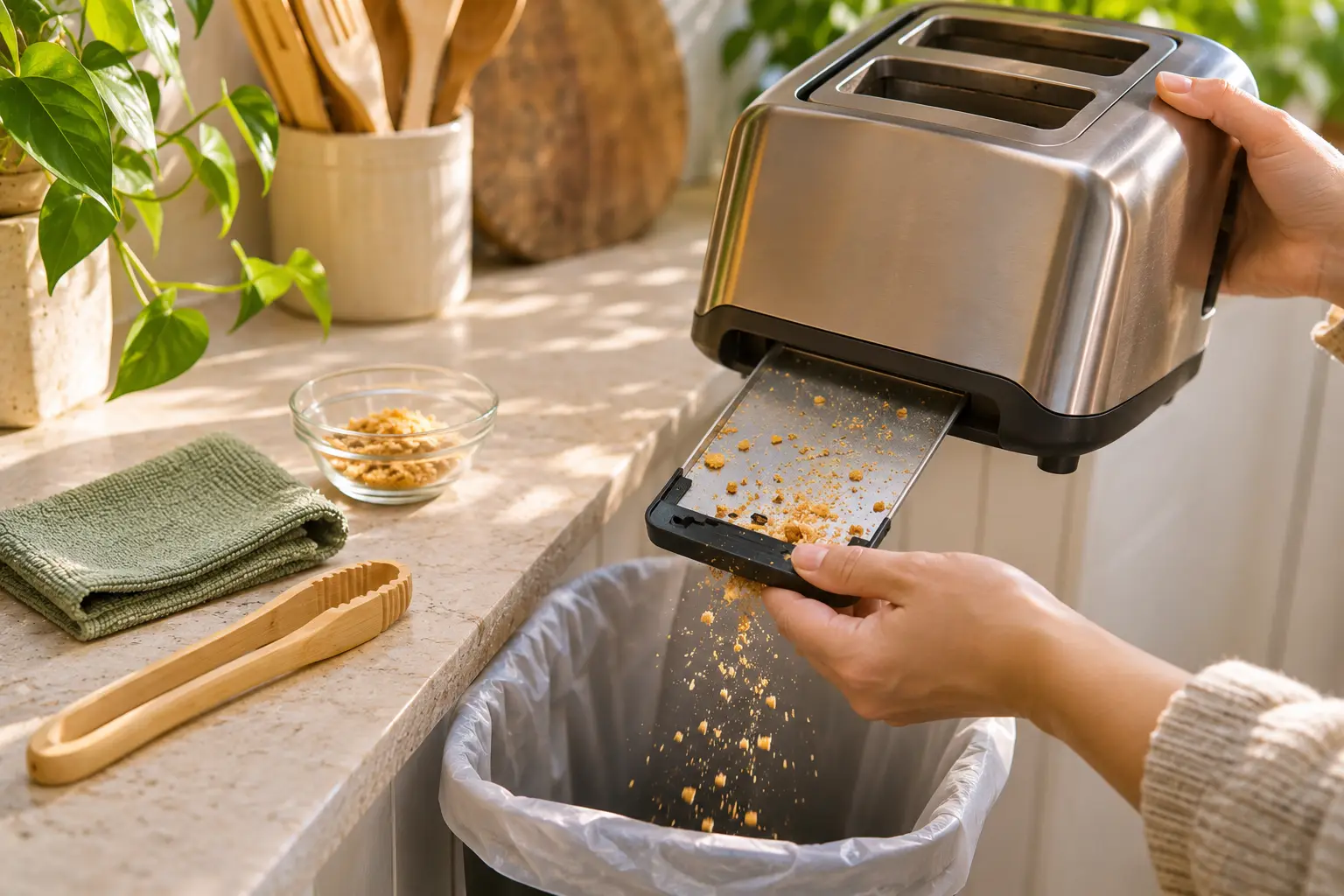
Slide out the crumb tray (it may be at the front, side or back depending on the model), tip the crumbs into the trash and wipe the tray with a clean cloth. Hamilton Beach says that if you use the toaster daily, the crumb tray should be cleaned daily.
03
Step 3 of 7
Release Loose Crumbs the Way Your Manual Says
Manuals differ here. Some Hamilton Beach models tell you not to turn the toaster upside down and to gently tap the sides to release crumbs into the tray instead; other models say to turn the unplugged, cool toaster upside down and shake. Check your own manual, and empty the tray again afterwards.
04
Step 4 of 7
Free Stuck Bread with a Nonmetal Utensil
If a bagel or slice is lodged in a slot, keep the toaster unplugged and cool, then use a nonmetal utensil to loosen the food from the grill wires so it falls into the crumb tray. Never use a fork or knife, which can damage the heating element and create a risk of fire or electric shock.
05
Step 5 of 7
Wipe the Outside with a Damp Cloth
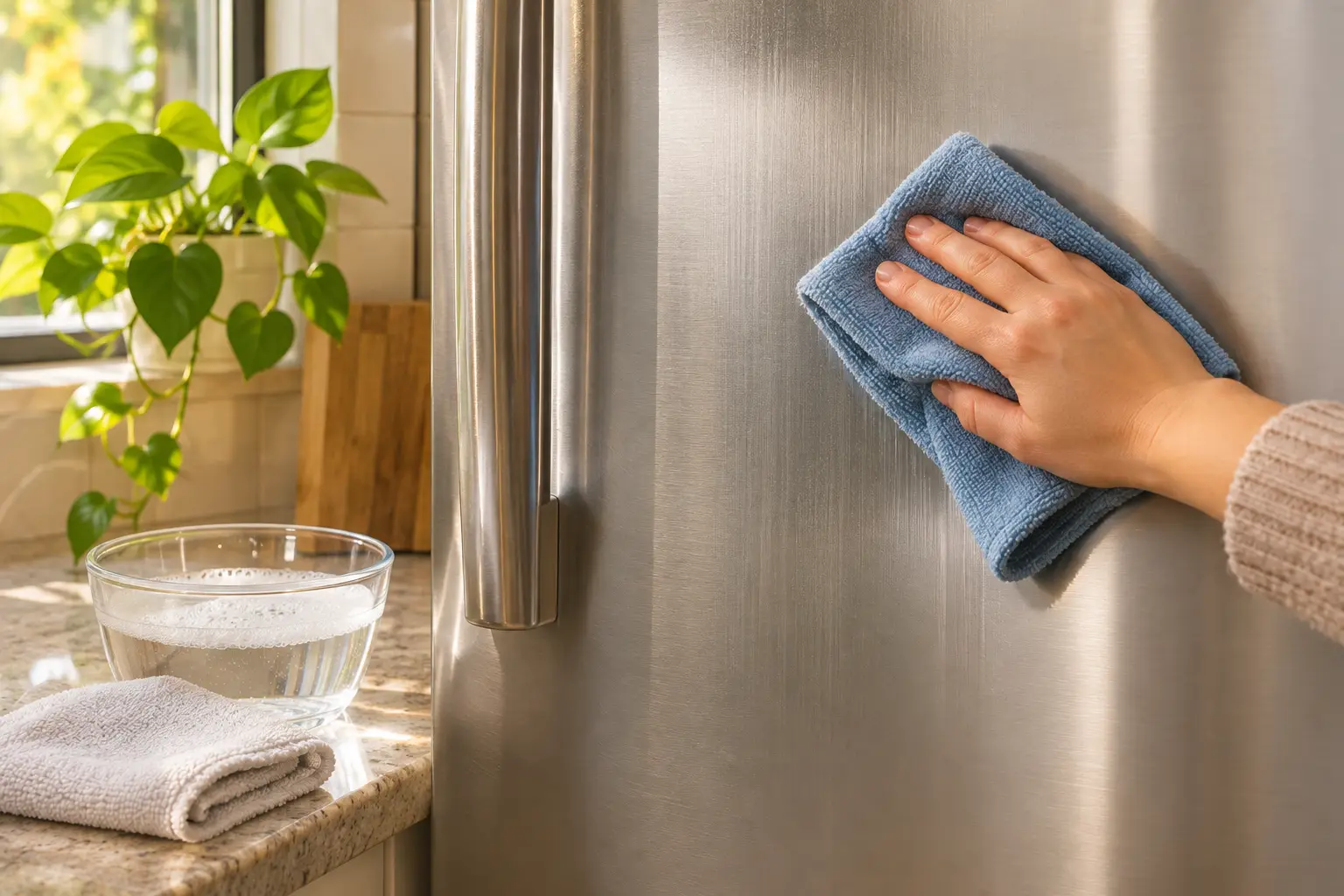
Wipe the exterior with a soft cloth dampened in water and wrung out well so no water drips into the slots. Do not use abrasive cleansers, which can scratch the surface, or metal scouring pads. Dry the outside with a clean cloth.
06
Step 6 of 7
Reinsert the Tray Before Plugging In
Make sure the crumb tray is dry, then slide it fully back into place. Plug the toaster in only once everything is dry and the tray is in.
07
Step 7 of 7
For a Toaster Oven, Clean the Racks, Tray and Interior
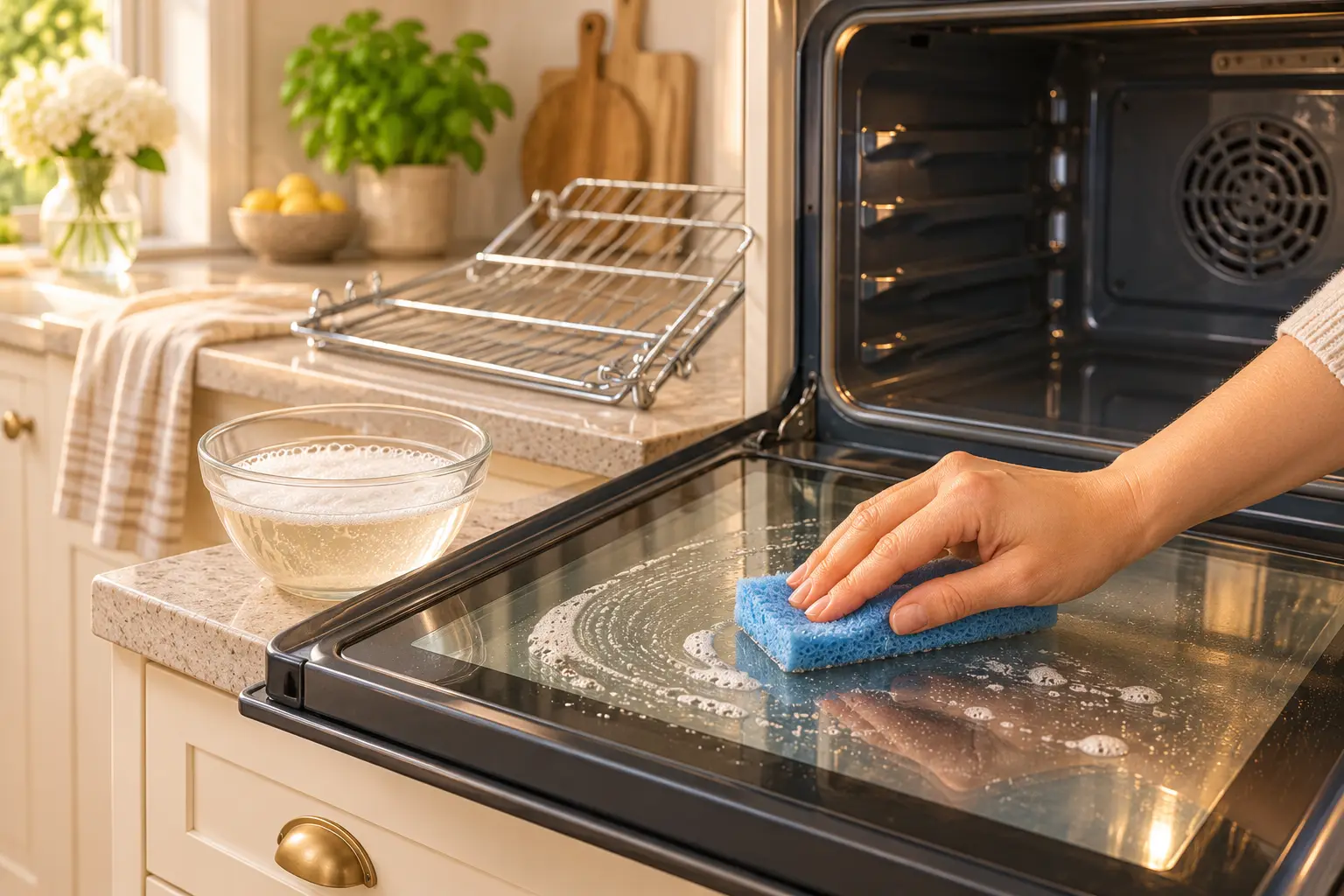
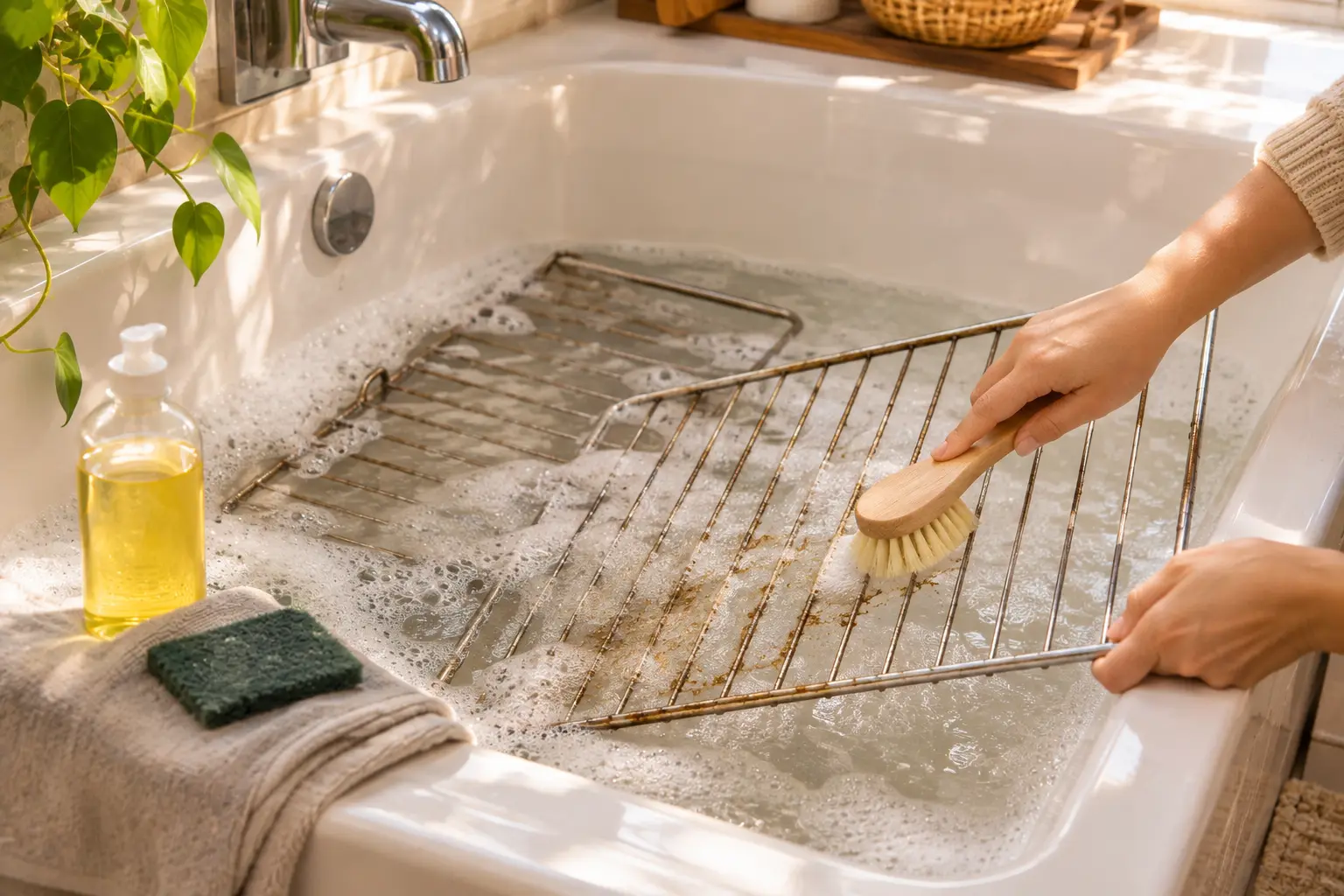
With the toaster oven unplugged and cool, empty and wipe the crumb tray, soaking it in warm soapy water if grease is baked on. Wash the racks and drip pan in warm soapy water with a soft sponge. Wipe the interior gently with a non-abrasive liquid cleanser applied to the cloth, not to the oven, and only rub a soft, damp sponge along the heating elements. Let everything dry thoroughly before reassembling and plugging in.
If that didn’t work
Stubborn or set-in? Try these next, in order.
AIf crumbs keep falling out of the slots after you empty the tray, unplug the toaster again, tap the sides (or shake it upside down if your manual allows), and empty the tray a second time.
BIf a piece of food will not come loose with a nonmetal utensil, leave it and contact the manufacturer's customer service rather than prying with metal. Hamilton Beach manuals direct repairs and adjustments to the manufacturer.
CIf the toaster smells of burning even after cleaning, check that the crumb tray is fully inserted and empty, and stop using it if it was dropped or damaged. The manuals say not to operate a damaged appliance.
Common questions
How often should you clean a toaster crumb tray?
Hamilton Beach says that if you use the toaster daily, the crumb tray should be cleaned daily, and its manuals warn that failure to clean the crumb tray may result in a fire hazard. Breville suggests a light clean of a toaster oven, including emptying the crumb tray, about once a week.
Is it safe to get toast out with a fork?
No. Hamilton Beach warns against inserting utensils into a toaster because of the risk of fire or electric shock, and says a fork can damage the heating element. Unplug the toaster, let it cool and use a nonmetal utensil to loosen the food.
Can you wash a toaster with water?
Not the toaster itself. Manuals say never to immerse the toaster, cord or plug in water or any other liquid. Wipe the outside with a damp cloth instead; the removable crumb tray can be wiped with a clean cloth.
Can crumbs in a toaster cause a fire?
Yes. Hamilton Beach manuals state that failure to clean the crumb tray may result in a fire hazard and advise cleaning crumb trays regularly to reduce the risk of fire. They also warn never to leave a toaster unattended and to keep it away from curtains, cabinets, paper and cloth towels.
How do you clean the heating elements in a toaster oven?
Unplug the toaster oven and let it cool, then gently rub a soft, damp sponge or cloth along the elements. Breville warns that baking soda paste, multi-purpose cleaners and oven cleaners can damage them, and that the elements must be completely dry before you plug the oven back in.
Sources we relied on
1.2-Slice Toaster Use and Care Guide (Model 22302) — Hamilton Beach. Unplug and allow to cool before cleaning; do not immerse the toaster, cord or plug in liquid; clean crumb trays regularly to reduce the risk of fire; if used daily, clean the crumb tray daily; do not turn the toaster upside down but tap the sides, empty and wipe the tray; use a nonmetal utensil to loosen lodged food; wipe the outside with a damp cloth and avoid abrasive cleansers.
2.2-Slice Toaster Use and Care Guide (Model 22614) — Hamilton Beach. Failure to clean the crumb tray may result in a fire hazard; do not clean with metal scouring pads because pieces can touch electrical parts; utensils must not be inserted; to remove lodged food, unplug, cool, turn upside down and shake, and do not use a fork that could damage the heating element; do not operate unattended or near flammable materials.
3.How to clean a toaster oven: Tips and tricks — Breville. Unplug and cool before cleaning; empty and wipe the crumb tray, soaking baked-on grease in warm soapy water; wash racks and drip pans in warm soapy water with a soft sponge; apply non-abrasive cleanser to the cloth, never directly to the oven; avoid metal scouring pads and abrasive cleansers; rub elements only with a soft damp sponge, keeping baking soda paste and oven cleaners off them; dry everything before plugging in.